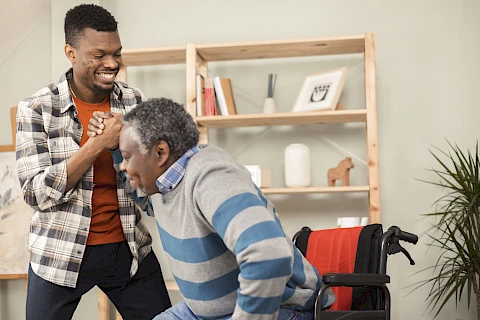
March marks National Cerebral Palsy Month, highlighting the lifelong impact of cerebral palsy (CP) and how care needs change over time. As seniors with CP age, shifts in mobility, strength, and daily functioning may require added support. Options such as specialized caregivers, certified nursing care, therapy, and home modifications can help align care with evolving needs.
The Challenges
Seniors with CP may face increased difficulties. Mobility can become more restricted, communication may be harder, and other health issues can arise. Providing consistent and appropriate care can be demanding. This can take an emotional and physical toll on family caregivers, who are often juggling other responsibilities as well. Watch for signs your senior loved one needs in-home care, such as changes in their health, safety concerns, or increased difficulty managing daily activities. Recognizing these signs early prevents further complications.
Exploring Care Options
Hiring specialized caregivers trained in cerebral palsy care can make a difference. These caregivers have specific training to understand the unique needs of people with CP. They know how to assist with daily activities safely and provide personalized support. To find the right caregiver, research agencies that specialize in CP care. Interview potential caregivers and check their qualifications and experience with CP.
In some cases, care from certified nurses may be necessary. Unlike general caregivers, certified nurses have medical training that allows them to manage complex health issues. Consider nursing care if your loved one requires medical procedures or close health monitoring. The presence of a certified nurse can provide peace of mind for both the family and the senior.
Additional Strategies for Support
Besides hiring caregivers and nurses, there are other strategies that can help. Look into community resources and support groups for caregivers and people with CP. These can offer valuable advice, emotional support, and practical assistance. Consider adaptive technologies and home modifications to improve accessibility. Installing grab bars, using specialized eating utensils, and other simple changes can enhance your loved one's quality of life.
Making the Transition
Changing care arrangements can be a sensitive process. It's important to discuss any changes openly with your loved one, respecting their preferences and ensuring they feel involved in the decision-making process. Work together to create a care plan that reflects their needs and wishes. When it's time to introduce new caregivers or routines, aim for a gradual transition to help everyone adjust smoothly. This will help maintain a sense of stability and comfort for your loved one.
Strengthening Support at Home
Caring for an aging loved one with cerebral palsy often involves recognizing changes early, reassessing daily support needs, and adjusting care in thoughtful ways. From bringing in caregivers with CP-specific experience to involving certified nurses for medical oversight, each decision shapes comfort, safety, and quality of life. Additional support—such as adaptive equipment, home modifications, and community resources—can further ease daily routines, while open communication helps ensure that care decisions reflect personal preferences.
Senior Helpers Northern Queens offers personalized in-home care, including assistance with daily activities, companionship, and support tailored to more complex conditions, helping seniors with cerebral palsy maintain dignity and independence. Our trained caregivers serve Astoria, Long Island City, College Point, Whitestone, and neighboring areas, working closely with families to provide consistent, attentive care that adapts as needs change.
If care needs are becoming more difficult to manage on your own, reach out to Senior Helpers Northern Queens to discuss options and create a plan that supports both you and your loved one.