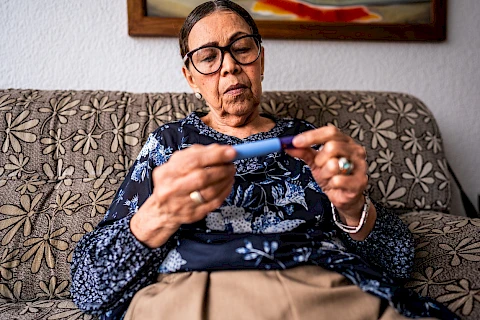
Diabetes in later life often intersects with age-related changes such as altered metabolism, multiple medications, and vision or mobility limitations. Maintaining steady blood sugar levels requires coordination across meals, medications, daily routines, and medical oversight, with caregivers supporting monitoring, care plans, and subtle health changes while balancing attentiveness with respect for independence.
Diabetes in Seniors
Type 2 diabetes is most common in older adults, though some manage long-standing Type 1. Subtle symptoms like fatigue, blurred vision, or tingling may signal blood sugar fluctuations rather than normal aging. Long-term diabetes can affect circulation, nerves, kidneys, and vision, making awareness of these risks important for timely caregiver support.
Blood Sugar Monitoring
Blood sugar monitoring reveals how meals, medications, illness, stress, and routines affect glucose levels. Caregivers can help by preparing testing supplies and recording readings in a log or app. Recognizing signs of low or high blood sugar—shakiness, fatigue, thirst, or blurred vision—and responding per medical guidance helps maintain steadier daily management.
Medication Management
Many seniors rely on insulin, non-insulin injectables, or oral drugs, each with specific timing and dosing. Caregivers can organize prescriptions, set reminders, and monitor for side effects such as low blood sugar, digestive upset, or fatigue, and share observations with healthcare providers to maintain safe and effective medication routines.
Nutrition Support
Food choices influence blood sugar and medication effects, so seniors benefit from meals that follow a consistent schedule and balance carbohydrates with protein, fiber, and healthy fats. Caregivers can plan meals with vegetables, whole grains, lean proteins, and minimally processed foods while observing food safety, since improperly stored or undercooked foods can cause infections or digestive upset that complicate diabetes management. Involving seniors in meal planning, preparing balanced meals, and offering fiber- and protein-rich snacks helps maintain steadier glucose levels while supporting autonomy.
Recognizing and Managing Complications
Diabetes can affect multiple body systems, causing numbness or sores on the feet, vision changes, infections, swelling, or fatigue. Daily observation—checking feet, balance, vision, appetite, and energy—helps identify patterns requiring medical input, while sudden confusion, weakness, or shakiness may indicate dangerously high or low blood sugar. Sharing observations with healthcare providers and ensuring recommended screenings are completed reduces the risk of lasting complications.
Balancing Support With Independence and Daily Management
Diabetes care works best when support aligns with the senior’s abilities, allowing them to manage tasks like checking blood sugar, choosing meals, or tracking medications. Caregivers can provide reminders, organize supplies, and check in as needed while adjusting support when health or circumstances change. Structured routines for monitoring, medication, meals, and physical activity—supported by tools like apps or reminders—help maintain blood sugar stability and encourage gentle exercise, hobbies, and social engagement for overall well-being.
Assistance with Daily Diabetes Management
Managing diabetes in later life touches many parts of daily living—blood sugar monitoring, medications, meals, recognizing changes in health, and balancing involvement with independence. Consistent attention to these areas helps make daily routines more predictable and supports seniors in maintaining their preferred level of autonomy.
Senior Helpers Northern Queens offers in‑home care tailored to individual needs, including meal preparation, medication reminders, mobility support, and chronic condition care through our Chronic Disease Care service. Caregivers work with families to support daily routines and adjust assistance as health needs change, reinforcing habits while providing practical help. Our services are available across Astoria, Long Island City, College Point, Whitestone, and the surrounding areas. Contact us to explore personalized care plans that support daily diabetes management and promote well‑being.