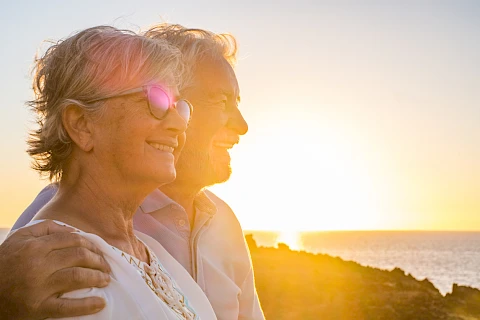
Caring for seniors during the summer means safeguarding their comfort, health, and independence while enjoying the outdoors. August, recognized as Summer Sun Safety Month, offers a timely opportunity to refresh our approach to protecting aging skin and preventing heat-related concerns. Seniors are more vulnerable to the effects of sun exposure, dehydration, and heat stress, making thoughtful preparation a valuable part of supporting their well-being. From selecting gentle, effective sunscreens and wearing breathable, protective clothing to staying hydrated and modifying outdoor activities for cooler hours, a few mindful adjustments can make warm-weather days enjoyable and safe.
Sun Risks for Seniors
Seniors are more vulnerable to sun damage due to age-related changes in their skin, which can be thinner and less able to repair itself. This makes them more susceptible to sunburn, skin cancer, and other sun-related health issues. Additionally, certain medications commonly taken by seniors can increase sun sensitivity, resulting in a higher risk of dehydration, heat exhaustion, and heatstroke.
Choosing the Right Sunscreen
Select the appropriate sunscreen to provide adequate sun protection for seniors. Ensure you choose a sunscreen that offers broad-spectrum protection, shielding against UVA and UVB rays. An SPF of 30 or higher is recommended for adequate coverage. To ensure effective application, apply sunscreen generously at least 15 minutes before heading outdoors, and reapply every two hours, or more often if swimming or sweating.
Recognizing Early Signs of Sun-Related Illnesses
Recognizing early signs of sun-related illnesses can prevent more serious health issues. Symptoms of heat exhaustion include heavy sweating, weakness, and dizziness, while heatstroke may present as confusion, vomiting, or even unconsciousness. Sunburns, indicated by red or blistering skin, can lead to infections if not treated promptly. If any of these symptoms occur, seek medical attention immediately.
Adapting Outdoor Activities for Safety
Spending time outdoors can help seniors stay active, connect with others, and enjoy the benefits of fresh air, but their comfort and safety should remain a priority. Schedule walks, gardening, or social gatherings for the cooler hours of early morning or late afternoon to minimize exposure to intense midday sun. Choose locations with natural shade or bring portable options such as umbrellas or pop-up canopies. Encourage wearing wide-brimmed hats, UV-protective sunglasses, and lightweight, long-sleeved clothing made from breathable fabrics to help block harmful rays while keeping cool. Carry water and offer frequent hydration breaks. Include short rest periods in shaded spots, and watch for signs of heat-related illness—such as flushed skin, dizziness, or unusual fatigue—so any concerns can be addressed promptly.
Importance of Hydration
Adequate hydration supports healthy body temperature regulation and reduces the risk of heat-related illness. Because many seniors experience a diminished sense of thirst, they may not feel the need to drink until dehydration has already set in. Offer water or other hydrating beverages—such as herbal teas or diluted fruit juices—throughout the day, and keep drinks within easy reach during outdoor activities. Encourage small, frequent sips rather than waiting for larger amounts at once, especially during warmer weather. Including water-rich foods like melon, cucumber, or berries in snacks and meals can also help maintain fluid levels. Caregivers should watch for early signs of dehydration, including dry mouth, headache, fatigue, or darker urine.
Regular Skin Checks
Regular skin checks help detect sun damage early on. Familiarize yourself with the senior's usual skin marks, and routinely monitor for new moles, growths, or changes in existing spots. If you notice anything unusual, consult a healthcare professional for assessment and guidance.
Senior Helpers Northern Queens Can Help Seniors Stay Safe in the Sun
Supporting seniors in the summer months means taking thoughtful steps to help them enjoy the season while reducing the risks of prolonged sun exposure. Applying a sunscreen suited to their skin, watching for early signs of heat or sun-related illness, adjusting outdoor plans to cooler times of day, encouraging consistent hydration, and conducting regular skin checks all contribute to a safer, more comfortable experience. Senior Helpers Northern Queens can assist with these measures by providing companionship during outdoor activities, helping select and apply protective products, ensuring regular water breaks, and monitoring for any changes in comfort or skin health. With attentive care, seniors can continue enjoying warm, sunny days while maintaining their well-being.
Contact Senior Helpers Northern Queens to learn how we can support your loved ones this summer and throughout the year. We serve Astoria, Long Island City, and the surrounding communities.