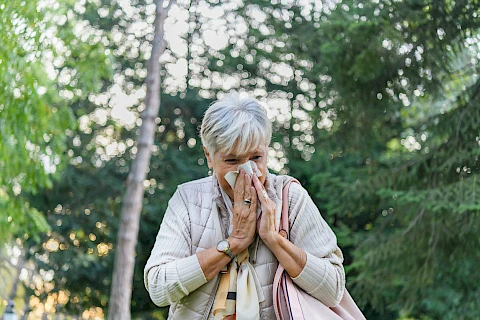
Spring is a beautiful time of the year, but for many seniors, it comes with pesky allergies. In Buffalo and surrounding areas, allergies are common among seniors, who may be particularly sensitive to changing pollen levels.
However, it's crucial to recognize typical allergy symptoms versus other potential health issues. Senior Helpers Buffalo will guide seniors and their caregivers in distinguishing spring allergies from other health concerns, recognizing when to seek medical advice, and tracking and managing symptoms.
What to Know About Spring Allergies
Spring allergies often result from pollen released by trees, grasses, and flowers. Common symptoms seniors might experience include sneezing, a runny or stuffy nose, itchy eyes, and coughing. In some cases, these symptoms may also include fatigue and headaches. These symptoms typically persist as long as the allergens are present in the environment.
In Buffalo and nearby towns, common seasonal allergens include grass pollen, pollen from birch, oak, and maple trees, and mold spores, especially after winter snow melts. For seniors, spring allergies may cause symptoms such as itchy skin or nasal drip, which are sometimes mistaken for other health issues.
Differentiating Allergies from Other Health Concerns
One of the challenges of dealing with allergies is that they can mimic other health issues, making diagnosis tricky at times. A runny nose and cough may overlap with other health concerns, such as the common cold or respiratory infections.
Allergies and infections differ in symptom timing: allergies do not cause fever, whereas infections do. Additionally, allergy symptoms often worsen outdoors or in certain weather conditions.
When to See a Doctor
While over-the-counter remedies can help manage spring allergies in seniors, certain symptoms indicate the need for medical evaluation. If your loved one has symptoms that persist beyond a few weeks, worsen over time, or include signs such as difficulty breathing, chest tightness, or a persistent cough, consult a healthcare professional. Persistent or severe symptoms should never be brushed off as 'just allergies.'
Tracking Symptoms Effectively
Seniors and their caregivers should consider maintaining a symptom diary to record important details about when and how symptoms appear. When tracking symptoms, note when they occur throughout the day and how they feel, paying attention to their severity and any potential triggers.
It's also helpful to document the weather conditions, activities seniors were doing, or locations they visited when symptoms occurred, as these environmental factors can play a significant role in allergic reactions.
Managing Allergies Safely
Proper management of spring allergies can greatly improve seniors’ quality of life. Seniors should consider both medication and non-medication strategies. Over-the-counter antihistamines are often effective; however, some seniors might require prescription medication, especially if symptoms are severe or persistent.
Non-medication approaches include staying indoors on high pollen days, using air purifiers, and keeping windows closed during peak allergy season. Regular cleaning to reduce indoor allergens like dust and pet dander can also help.
Contact Senior Helpers for Personalized Care Services
While spring allergies can cause seniors discomfort, they should not be ignored, nor should potential signs of other health conditions be dismissed as 'just allergies.' When in doubt, seeking medical advice is always a wise decision. For personalized senior care and support in Buffalo, Depew, Lancaster, Amherst, and Bowmansville, contact us at Senior Helpers Buffalo. Our dedicated team is here to help seniors live comfortably and healthily.