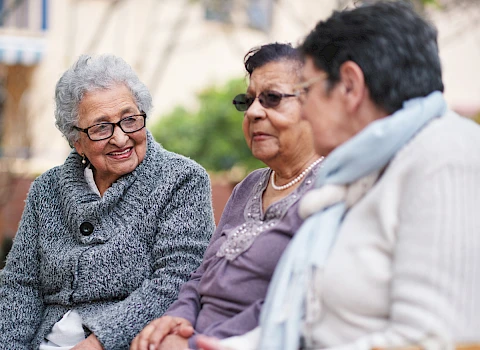
After a dementia diagnosis or changes in memory, you may feel less confident about joining social gatherings or keeping up with familiar activities. You might worry about forgetting names or losing track of a conversation, but that doesn't mean you have to give up the relationships you value. Senior Helpers explores practical ways of staying socially connected as your condition progresses.
Let Close Friends Know What's Going On
You get to decide who knows about your diagnosis and when to share it. You might start with family members, then talk with a few close friends when you're ready. Letting them know can make social situations more comfortable because they'll better understand occasional forgotten words or changes in how you communicate.
You don't need to explain everything at once. A simple conversation about what you're experiencing and what makes things easier can give friends a better idea of how to support you. A family member can also share the news with people in your social circle if you'd rather not have the same conversation several times.
Keep Enjoying Your Favorite Activities
Many hobbies can remain part of your routine with a few adjustments. If you enjoy golfing, you might play a shorter round or go with a familiar friend. If you like cooking, you can still bake with someone who can read the recipe aloud or help keep track of the steps.
Choose activities that fit your energy level and schedule them for times when you usually feel most comfortable. A small notebook can also make it easier to remember plans, names, and important details. Keeping familiar activities on your calendar gives you something enjoyable to look forward to.
Make Staying Socially Connected More Comfortable
Large gatherings and noisy restaurants can make conversations harder to follow. Try meeting one or two friends somewhere quieter instead. A familiar café, a peaceful park, or someone's home can be more comfortable for staying socially connected than a crowded restaurant.
You can also look into community and faith groups that offer activities for people living with dementia and their care partners. Your doctor's office or local Alzheimer's support organization may be able to suggest groups in your area.
Stay in Touch with the People You Care About
Spending too much time alone can affect your mood, sleep, and physical activity. You may start losing interest in activities you once enjoyed. Regular visits, phone calls, and familiar outings provide opportunities for maintaining relationships and remaining involved in your community.
Staying socially connected doesn't have to mean having a full calendar. Even a short conversation with a friend or a regular visit from a family member can make a difference for seniors living alone with early-stage dementia.
If you've stopped wanting to see people or noticed ongoing mood changes, tell your doctor about it. They can help you explore what's contributing to these feelings and discuss ways to address them.
Companionship and Support Through Personalized In-Home Care at Senior Helpers
Spending time with friends, enjoying familiar activities, and keeping in touch with family can still be part of your life when you're experiencing memory changes. If you need extra assistance along the way, Senior Helpers Henderson offers personalized in-home care tailored to your interests and daily routines. Contact us to start exploring your options in Henderson, Paradise, Whitney, Boulder City, and Enterprise.