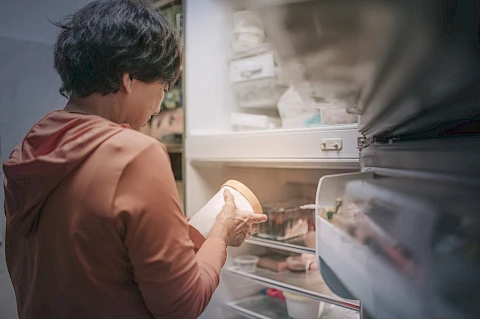
As we age, our bodies become more sensitive to the effects of bacteria and foodborne illnesses. Learning and practicing safe food handling is crucial for the health and well-being of seniors. Improper food handling can lead to serious health issues. We want to provide seniors and their caregivers with easy-to-follow tips for proper food storage, cooking, and grocery shopping.
Proper Food Storage
Proper food storage helps prevent foodborne illnesses. Refrigerating and freezing food items appropriately extends their shelf life and minimizes bacterial growth.
Keep your refrigerator at 40°F or below and your freezer at 0°F. Use clear containers or storage bags to organize items, placing older foods in front to ensure they're used first. Always label leftovers with dates and aim to consume them within three to four days. In the pantry, store dry goods in airtight containers to prevent pest infestations and to keep items fresh.
Safe Cooking Temperatures
Cooking food to the right temperature kills harmful bacteria. Safe internal temperatures vary depending on the type of food. For instance, poultry should reach at least 165°F, ground meats should be cooked to 160°F, and seafood and steaks are safe at 145°F. Using a food thermometer is the most trustworthy way to check these temperatures. When using a thermometer, insert it into the thickest part of the meat, avoiding bone, fat, or gristle for an accurate reading.
Recognizing Spoiled Food
Identifying spoiled food helps prevent food-related illnesses. Spoiled food may have an off smell, color changes, or a slimy texture. Always check expiration dates and heed "best by" labels. While canned goods can last longer, if their appearance or smell changes, throw them away. When in doubt, it's safer to discard any food you're unsure about.
Safe Grocery Shopping Tips
Smart grocery shopping makes a difference in food safety. Always choose fresh and safe products, checking labels for expiration dates. Inspect packaging for damages such as tears, dents, or broken seals, as they can be a sign of contamination.
Make the cold food sections, such as dairy and meat, your last stops in the store to minimize the time these items spend unrefrigerated. If you're shopping far from home, consider bringing an insulated bag for perishables to maintain their cool temperature until you get back.
Meal Preparation Safety
Safe meal preparation begins with clean hands and surfaces. Washing hands with soap for at least 20 seconds before and after handling food is crucial. Similarly, keeping kitchen surfaces and utensils clean helps prevent cross-contamination, especially between raw meats and ready-to-eat items.
For safe thawing, move frozen foods from the freezer to the refrigerator the day before you plan to use them. Reheating leftovers to 165°F ensures safety by killing any bacteria that might have grown.
Senior Helpers Princeton Can Help Seniors With Daily Activities
Following these food safety practices can significantly contribute to maintaining good health for seniors. From proper food storage to safe cooking techniques, these guidelines minimize risks associated with foodborne illnesses. Implementing these strategies is a step towards a healthier lifestyle. For more personalized assistance and caregiving in Princeton, Plainsboro, Princeton Junction, Hopewell, and Pennington, reach out to Senior Helpers Princeton. We're here to support your journey to safer and healthier eating habits.