Caregivers need to prioritize sun protection for seniors during the summer months. Older adults are particularly vulnerable to sun damage, making protective measures essential for their health and well-being. In recognition of Summer Sun Safety Month, reviewing practical ways to shield seniors from harmful UV rays ensures they can enjoy outdoor activities safely and comfortably while embracing the season.
Sun Damage and Aging
Seniors face a higher risk of sun damage due to several factors. The skin becomes thinner and loses some of its natural defense mechanisms with age. As such, older adults are more susceptible to sunburn and other sun-related illnesses. Conditions like heat exhaustion and heatstroke are also more prevalent among seniors. This is often due to decreased perspiration and a diminished ability to regulate body temperature.
Choosing the Right Sunscreen
Selecting the appropriate sunscreen can significantly reduce the risk of sun damage for seniors. Look for broad-spectrum sunscreens that protect against both UVA and UVB rays, as these offer the most complete coverage. An SPF of at least 30 is recommended for older skin, providing a good level of protection. Mineral-based sunscreens, such as those containing zinc oxide or titanium dioxide, are gentle on sensitive skin and ideal for seniors. Consider options like lotions or sprays, as they allow for thorough application and quick coverage when on the go.
Early Signs of Sun-Related Illnesses
Early identification of sun-related illnesses can prevent serious health issues. Here are several to be aware of:
- Sunburn: Watch for red, painful skin that is warm to the touch.
- Heat Exhaustion: Heavy sweating, weakness, dizziness, nausea, or a weak pulse are common symptoms of heat exhaustion that require immediate action.
- Heatstroke: Heatstroke is the most severe condition, characterized by a high body temperature, confusion, rapid pulse, and unconsciousness. This requires immediate medical attention.
Adapting Outdoor Activities for Safety
During the hot summer months, it is best to schedule outings in the early morning or late afternoon to avoid peak sun intensity. When planning activities, look for shaded areas, like parks with ample trees or covered pavilions, for picnics or walks. Encourage seniors to wear broad-brimmed hats, sunglasses, and clothing made of tightly woven fabric to protect their skin from the sun.
Hydration: A Crucial Element
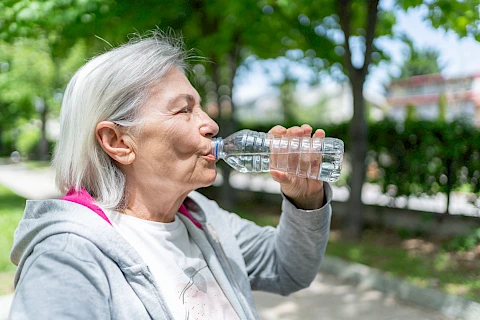
Seniors are more prone to dehydration, so staying adequately hydrated is vital to their health and safety. Encourage regular fluid intake, even if the senior isn't feeling thirsty. Offer a variety of fluids, like water, herbal teas, or fruit-infused water, to make drinking more appealing. Monitor the senior’s fluid intake and adjust as necessary, particularly on hotter days or when engaging in doctor-approved physical activities.
Regular Skin Checks
Routine skin checks help in the early detection of sun damage and potential skin cancers. Examine seniors' skin regularly. Look for new moles, changes in existing moles, or any unusual skin spots. Pay special attention to areas frequently exposed to the sun, including the face, neck, arms, and hands. If you observe any suspicious changes, consult medical professionals for further examination and guidance.
Keep Seniors Sun-Protected with Routine Reminders and More From Senior Helpers
Prioritizing sun protection helps seniors enjoy the outdoors safely while reducing the risk of skin damage. If you’re considering additional support for a senior loved one to ensure they stick with their sun-protection routine all summer long, Senior Helpers Cherry Hill can help. Serving seniors in Cherry Hill, Maple Shade, Haddonfield, Mt. Laurel, and Marlton, we offer comprehensive, in-home senior care services from routine reminders to companion care. Contact us today for more information!