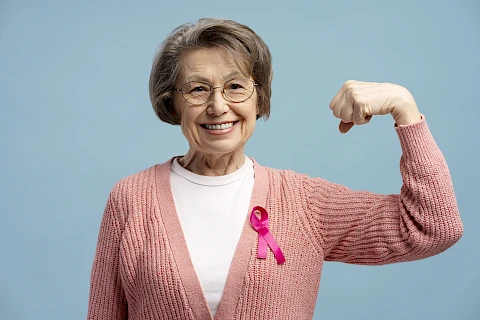
As women age, the risk of developing breast cancer increases, making it integral for caregivers to promote awareness among senior women. Caregivers play a key role in educating and supporting seniors, ensuring they have access to the information and services they require. We're here to help caregivers effectively promote breast cancer awareness among the senior women in their care, focusing on risk factors, screening recommendations, early detection methods, and support strategies for those affected by the disease.
Facts About Breast Cancer in Seniors
Breast cancer is the most common cancer among older women, second only to skin cancer. With advancing age, the body's ability to repair damaged cells diminishes, which can lead to an increased risk of cancer. Seniors diagnosed with breast cancer face age-specific challenges, including other health concerns, mobility issues, and the potential for limited access to care. Caregivers need to be aware of these factors to provide comprehensive support.
Risk Factors for Breast Cancer in Elderly Women
Age is the most significant risk factor for breast cancer. As women get older, their risk for breast cancer increases. Besides age, genetic factors also play a role. Women with a family history of breast cancer, particularly if it involves first-degree relatives, have a higher risk. Lifestyle and environmental factors, such as poor diet, lack of exercise, and exposure to harmful chemicals, can also contribute to risk. Understanding these factors helps caregivers raise awareness among seniors.
Screening Recommendations for Seniors
Regular screenings are needed for early detection of breast cancer. Mammograms are the primary screening tool and are effective in detecting breast cancer at an early stage. The general guideline is for women aged 55 and older to have a mammogram every two years. However, it's great to consult with healthcare providers for personalized recommendations, as individual health status and family history can significantly influence screening schedules. Seniors may have concerns about the discomfort or effectiveness of screenings, and caregivers can help alleviate these concerns by discussing them openly and providing accurate information.
Early Detection Methods
Early detection of breast cancer can significantly improve outcomes. Teaching seniors how to perform self-examinations is an empowering step. Caregivers can help them recognize symptoms such as lumps, changes in breast shape, or changes in skin texture. Encouraging seniors to report any unusual changes to a healthcare provider promptly is necessary. Timely medical consultations are key in addressing any concerns and ensuring appropriate follow-up.
Supporting Seniors Affected by Breast Cancer
Emotional and psychological support is a must for seniors diagnosed with breast cancer. The diagnosis can be devastating, and caregivers need to provide empathy and encouragement. Practical assistance, like transportation to appointments or help with daily tasks, can significantly ease the burden on seniors. Access to resources such as support groups or counseling services is also beneficial. Promoting healthy lifestyle changes, including balanced nutrition and regular physical activity, can support overall well-being and recovery.
We Support Senior Breast Health
Breast cancer awareness and support are special components of elderly care. Caregivers must focus on educating seniors about risk factors, the importance of regular screenings, and the benefits of early detection methods. Providing comprehensive support for those diagnosed with breast cancer enhances their quality of life. At Senior Helpers Wilmington, we're committed to providing professional senior caregiving support in New Hanover, Pender, Brunswick, and Wilmington. Contact us today to discover our services, designed to help seniors live with dignity in the comfort of their own homes.