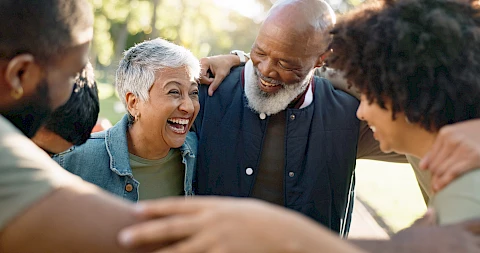
Seniors living with Parkinson's disease often experience challenges that make it harder to stay socially connected. As the condition progresses, tremors, mobility issues, and speech difficulties often hinder social interactions, leaving many individuals feeling isolated. However, maintaining social relationships can contribute to a more positive outlook, better focus, and improved overall comfort. Social connections foster a sense of community and belonging, helping seniors feel supported and understood.
With the right approach, seniors and caregivers can find ways to keep these connections strong.
The Importance of Social Engagement for Seniors With Parkinson's
Social engagement offers a wide range of benefits for seniors, particularly those with Parkinson’s. Engaging with others can help keep the brain sharp, providing mental stimulation that supports cognitive health. Emotional well-being is another major benefit, as social interactions offer support, reduce loneliness, and strengthen relationships. Physical health also improves, as social activities often encourage movement, which can be helpful in managing Parkinson’s symptoms.
However, living with Parkinson's can present unique challenges that impede social connections. Fatigue, mobility issues, and speech difficulties often stand between seniors and the social engagement they desire. This makes it even more crucial to find ways to overcome these obstacles and maintain those connections.
How Caregivers Can Facilitate Social Engagement
Since Parkinson’s affects everyone differently, a personalized approach to caregiving can make all the difference. Caregivers can assist by organizing regular visits with family and friends, accompanying seniors to local events, or facilitating virtual visits for those who have trouble traveling.
Tailoring activities to the seniors' preferences and abilities ensures that they can enjoy these interactions without feeling overwhelmed. Additionally, for those who require more specialized support, professional Parkinson's care can help ensure that activities are adapted to meet individual needs and provide a safe environment for engagement.
Ideas for Social Activities for Seniors With Parkinson's
Finding the right social activities for seniors with Parkinson's requires both creativity and careful consideration of their unique needs. Here are some options to consider:
- Group Activities: These foster interaction and engagement, providing opportunities for connection and shared experiences.
- Art and Craft Sessions: Tailored to various abilities, these activities stimulate the brain while offering a sense of accomplishment and creativity.
- Walking Groups: Combining physical activity with socialization, these groups give seniors a chance to exercise and connect with others, which can help manage Parkinson’s symptoms. Always consult a healthcare provider before starting any new exercise routine to ensure safety.
- Music and Singing Groups: Music offers emotional relief and joy, transcending barriers to help improve both cognitive function and emotional well-being.
- Virtual Social Opportunities: For seniors with mobility challenges, online communities, webinars, and virtual events provide a way to stay connected and engaged from home, promoting a sense of belonging.
These activities help seniors with Parkinson’s maintain meaningful connections and improve their overall well-being.
Enhancing Social Engagement in Parkinson's Care
Social engagement is a key aspect of Parkinson’s care. By staying connected with others, seniors benefit from improved cognitive, emotional, and physical well-being. Encourage your loved ones to explore social opportunities for a better quality of life.
At Senior Helpers Wilmington, we're here to support families in New Hanover, Pender, Brunswick, and Wilmington with specialized care services tailored to individual needs. Contact us today to learn more about how we can assist your family and improve the quality of life for your loved ones. Together, let's build a supportive and engaging environment for seniors with Parkinson's.