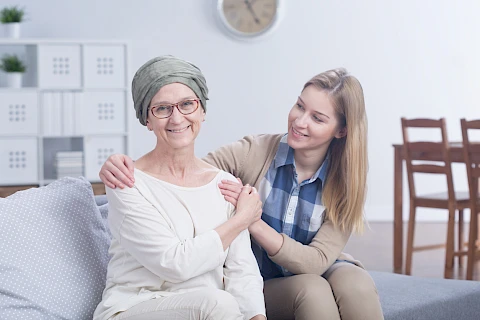
The last treatment day can bring relief, but the transition afterward can also bring new questions. Appointments may become less frequent, and senior relatives who provided support during treatment may return to their regular routines.
For many older women, the months after treatment are an important part of breast cancer survivorship. Ongoing support from Senior Helpers Central NC can make that transition easier.
Breast Cancer Survivorship and Follow-Up Care
Survivorship care usually includes regular checkups and imaging. It may also include long-term medications, such as hormone therapy. The schedule varies from person to person. Ask the oncology team for a written follow-up plan.
Many cancer centers provide a survivorship care plan. It outlines which doctor handles each part of care, which tests are due, and which symptoms should prompt a call.
A shared calendar can help families keep track of appointments, transportation, and other tasks. A folder brought to every appointment can hold the medication list and a page of questions, reducing last-minute scrambling.
The National Cancer Institute's list of questions to ask after treatment covers follow-up visits, tests, and which symptoms to report.
Side Effects That Can Linger
Fatigue can last well beyond the final treatment. Some senior women may also experience joint aches, arm swelling (lymphedema), numbness in the fingers, or trouble concentrating.
Tell the care team about any new or ongoing symptoms. Your role is to notice changes and encourage her to speak up. Her doctors can determine the cause.
Energy may come back slowly. Short walks and rest breaks can help during recovery, as can practical help with household tasks.
The Emotional Side of Finishing Treatment
Relief and fear often arrive together. Many survivors worry about recurrence before every scan. Some feel pressure to be cheerful. Others grieve changes to their bodies.
Let her set the pace for talking. Open questions can give her room to share what she is feeling without pressure. Support groups, in person or online, connect her with women who have been through the same experience.
The American Cancer Society's survivorship resources include information on emotional health and breast cancer survivorship. If worry or low mood lingers, a doctor or licensed counselor can help.
Help With the Miles Between Appointments
Follow-up visits may require longer drives, especially when a specialist is in another town or county. Long drives can be tiring for someone who is still recovering from treatment.
Sharing the driving among relatives or arranging a regular ride can help keep appointments on schedule. Some cancer centers and churches also run volunteer driver programs that families can ask about.
Meal preparation can also reduce the energy needed for daily tasks. Friends, relatives, and community groups may be able to help with meals or other household needs.
Survivorship Support From Senior Helpers Central NC
The months after treatment can be easier to manage when families have a plan for breast cancer survivorship and daily tasks. Transportation and emotional support can also make recovery easier.
Senior Helpers Central NC helps breast cancer survivors and their families through the months after treatment. Our caregivers provide companionship, rides to follow-up appointments, meal preparation, light housekeeping, and medication reminders. We serve Advance, Clemmons, East Bend, Lewisville, and Salisbury. Contact us to talk about what would help your family.