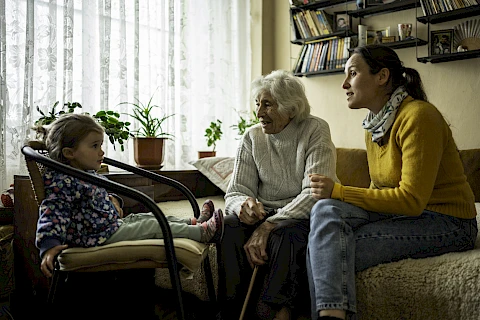
Dementia refers to a condition that impacts both the individual diagnosed and their entire family. It can be challenging when a senior loved one with memory issues moves into your home.
It's best to talk to young children about this condition to help them understand and adjust to changes in their family dynamic. Engaging in open and honest discussions can foster empathy and patience in young minds.
Explaining Dementia
Explaining a memory loss to a child starts with a simple definition. Dementia is a condition that affects how a person thinks, remembers, and communicates. It can change the way our loved ones behave, speak, and recall things.
Kids need to understand that these changes happen because the senior's brain is not working the same way it used to. It's also beneficial to emphasize empathy and patience. Kids should know that older adults might forget names, repeat questions, or get confused, but it doesn't change how much they love them.
Preparing for the Conversation
When you're ready to talk about it, timing and setting are significant. Choose a quiet moment when there are no distractions so you can have a meaningful conversation.
Tailor your discussion based on your child's age and maturity level. Use simple language and be open to all their questions. Let them know it's okay to ask anything, and you'll do your best to answer.
Common Questions Children Might Have
Little ones have curious minds and may ask various questions about dementia. Here are some possible questions and simple answers:
- Why does my grandparent forget things?
- Will I get dementia too?
- Can we make them better?
Keep your answers straightforward and comforting. Explain that their grandparents' brains are a bit different now, making it harder to remember things.
Reassure them that memory problems aren't something kids can catch like a cold, and they mainly happen to older people. Let them know that doctors are trying to find ways to help, but for now, the best thing is to show love and support.
Explaining Changes in Behavior
As dementia progresses, loved ones might experience mood swings and confusion. Explain to children that these behaviors are part of the illness, not the person choosing to act that way.
Share that their grandparent may not always recognize their surroundings or might need help with daily activities. Emphasize that none of this is the child's fault, and encourage them to keep showing love and kindness.
Encouraging Positive Interactions
Maintaining a positive relationship between young ones and older adults with dementia is advantageous. Suggest activities they can do together, such as looking through photo albums, listening to music, or simple art projects.
These interactions can be fun and rewarding for both the child and the senior. Teach kids to be patient and understanding, highlighting the importance of being gentle and kind.
Get Dementia Care From Senior Helpers Lake Norman
Discussing dementia with young ones is not always easy, but it is necessary. When you take time to understand, talk openly, answer their questions, and encourage positive moments, you’re helping them adjust to changes in their family.
Remember, you don't have to do this alone. Senior Helpers Lake Norman is here to provide compassionate care and support for families dealing with memory problems in Davidson, Denver, Mooresville, Huntersville, and Cornelius. Contact us for the assistance you need during these challenging times.