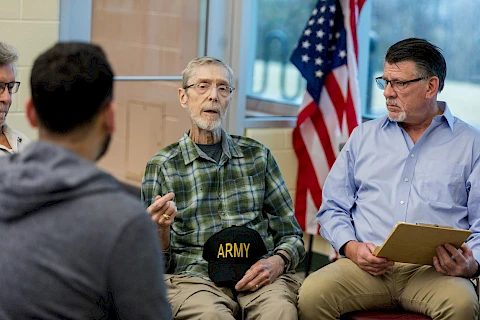
Post-traumatic stress disorder (PTSD) can affect anyone who has experienced a traumatic event, but it is especially prevalent among veterans. Many seniors who served in the military may struggle with PTSD, even years after their service. Recognizing the signs of PTSD in a senior loved one and offering the right support can make a real difference.
Recognizing Signs of PTSD in Seniors
Understanding the symptoms of PTSD is the first step in helping your elderly loved ones. Common symptoms in older adults include:
- Flashbacks or reliving traumatic events
- Emotional numbness or detachment
- Irritability or sudden mood swings
- Difficulty sleeping or concentrating
Symptoms of PTSD in the elderly can look different from those in younger people. They may experience more physical symptoms, like headaches or unexplained aches and pains. Early recognition and intervention are needed for timely treatments, so being vigilant about these signs is key.
Steps to Take if You Suspect PTSD
If you suspect an elderly loved one may have PTSD, approach the situation with care and understanding. Start by encouraging open communication and creating a safe space where they can share their experiences and feelings without fear of judgment.
It's also best to seek a professional evaluation. A qualified mental health expert can provide an accurate diagnosis and guide you to the best steps for treatment.
Helping Seniors Receive Appropriate Medical Treatment
Once PTSD is diagnosed, exploring treatment options is the next step. Seniors dealing with PTSD have a range of treatment options available. These include cognitive-behavioral therapy (CBT), medication, and alternative therapies like art or music therapy.
It's necessary to consult healthcare professionals who specialize in geriatric mental health. These experts can tailor treatment plans to suit the specific needs of older adults. Encourage your loved one to participate in support groups or therapy sessions. Sharing experiences with peers can be comforting and validating.
Providing Ongoing Care and Support
Creating a supportive environment at home can also help. Encourage a routine that includes physical activity, hobbies, and social interactions. Involving family and friends in the process can also be beneficial.
Organize regular visits or phone calls from loved ones to provide emotional support. Don't hesitate to utilize community resources and services. Many organizations offer help tailored to veterans and seniors, providing an additional layer of care.
Get the Care Senior Veterans Need
Addressing PTSD in older adults is crucial for their well-being. By recognizing the signs, seeking professional help, and offering continuous assistance, you can have a lasting positive impact on their lives. Taking action now can lead to a better and healthier future for them.
Senior citizens with PTSD, in addition to needing psychological support, may need more help at home to maintain their quality of life. At Senior Helpers Lake Norman, we offer home care programs that include solutions tailored to the needs of senior veterans. If you or a loved one in Mooresville, Huntersville, Statesville, Cornelius, or Davidson needs more help at home, contact us to learn more about our home care solutions.