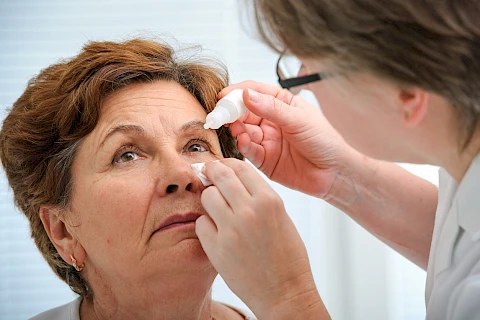
If your eyes have felt gritty, itchy, or oddly tired lately, you're not imagining it. Dry eyes in seniors become far more common, and September, which includes National Eye Health Week, is a natural time to sort out why. Senior Helpers explains that between shifting pollen counts and a dozen possible causes at home, most cases have a fixable answer once you know where to look.
Age, Tears, and What Changes Over Time
Tears are a mix of oil, water, and mucus that keep the eye surface smooth. As we age, tear production slows, and the oil layer can become thin due to sluggish or blocked meibomian glands. This leads to dry eyes in seniors. Women often experience this more after menopause due to hormonal changes affecting tear chemistry, which is a normal biological process.
Allergies, Medications, and Environment
Managing environmental conditions, prescription drugs, and seasonal factors can help minimize dry eye symptoms for older adults.
- Watch for seasonal triggers: Ragweed and mold spores peak across North Carolina in September, causing seasonal allergies that flare up dry eye symptoms.
- Review medication side effects: Common drugs like antihistamines, diuretics, blood pressure medications, certain antidepressants, and sleep aids list dry eye as a side effect.
- Discuss new prescriptions with a doctor: If eye dryness coincides with a new medication, consult a physician about potential alternative treatments.
- Control indoor environmental factors: Minimize moisture loss from the tear film by adjusting ceiling fans running overnight, reducing dry indoor heat in October, and limiting extended screen time.
- Try recommended home habits first: Consult resources like the American Academy of Ophthalmology for a clear rundown of common causes and simple at-home care habits.
When to Bring It Up With a Doctor
Recognizing when to consult an eye care professional ensures that persistent vision changes are evaluated and addressed promptly. Here are times you may want to do so:
- Schedule an appointment for persistent symptoms: Book a visit if dryness lasts more than a couple of weeks, over-the-counter drops fail to provide relief, or one eye feels noticeably different than the other.
- Bring detailed health information: Write down exact symptom start dates, known triggers, and a list of any new medications started within the last six months to help guide the diagnosis.
- Ask about blocked meibomian glands: Inquire specifically about tear quality and gland health, as standard eye exams often focus strictly on vision rather than the underlying causes of chronic dryness.
- Incorporate home care remedies: Use warm compresses at home as a supportive treatment alongside professional medical advice.
Clearer, Comfortable Days That Avoid Dry Eyes in Seniors
Dry eye usually has multiple causes, which is good news because it means there are various adjustments you can make. Better tears, improved sleep by repositioning the fan, and discussing medications with your doctor can help many people.
Senior Helpers High Point supports older adults and families across Asheboro, High Point, Pleasant Garden, and Trinity with transportation to eye appointments, medication reminders, and everyday care at home. If you'd like help navigating an eye care visit this fall, please contact us, and we'll set something up.