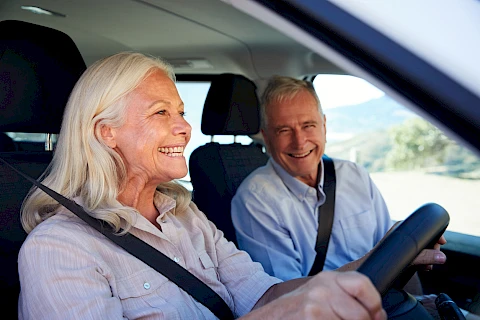
Driving often represents freedom and self-reliance for older adults, yet safety must remain a priority. For caregivers, this means balancing the desire for independence with awareness of signs that driving may no longer be safe. From observing abilities to exploring alternative transportation, caregivers can help maintain both dignity and security on the road.
Assessing Driving Abilities
Evaluating a senior’s driving capabilities is the first step toward safety. Age-related physical and cognitive changes—such as reduced vision, slower reflexes, or occasional confusion—can affect driving skills. Caregivers can start by riding along to observe habits, checking for issues like difficulty judging distances or delayed reaction times. Professional driving evaluations, available through certain healthcare providers and senior-focused organizations, can offer a thorough and objective assessment.
Conversations About Driving Limitations
Discussing driving limitations can be challenging. Approach the topic with sensitivity. Open conversations with empathy and respect. Use "I" statements to express your concerns without sounding accusatory. For instance, say "I noticed that..." instead of "You always...".
Involving seniors in decision-making is important. Encourage them to share their thoughts and feelings. This collaboration fosters trust and helps them feel valued.
Recognizing Signs to Limit or Stop Driving
There are common warning signs that suggest it might be time to limit or stop driving altogether. These include:
- Frequent close calls or accidents
- Confusing the gas and brake pedals
- Getting lost in familiar places.
Document any observations you make over time. Discuss them with the senior and consult healthcare professionals if needed. Doctors can provide insight and even back-to-driving fitness assessments.
Exploring Alternative Transportation Options
If driving is no longer safe, a range of transportation services can help maintain independence. In Johnston County and surrounding areas, options include community-based senior transportation programs, ride-share services, and public transit. Many senior centers also provide rides to social events, appointments, and activities—keeping older adults connected and engaged.
Supporting Senior Independence
While safety comes first, maintaining an active lifestyle remains essential to well-being. Encourage participation in community gatherings, hobbies, and outings, even if travel methods change. With understanding and patience, caregivers can help seniors focus on the opportunities that alternative transportation brings, rather than the limitations.
Keeping Seniors Safe and Mobile
Ongoing observation, respectful conversations, and timely adjustments are key to supporting both safety and independence for older drivers. Prioritize both safety and independence for the seniors in your life. At Senior Helpers Dunn, we are committed to supporting families in Dunn, Fayetteville, Elizabethtown, Cumberland County, Robeson County, and Johnston County. Contact us for assistance in caring for seniors in their homes. Your loved one's safety, independence, and happiness are our top priorities.