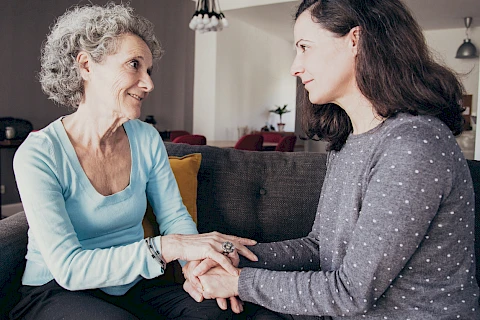
We need to plan for our future as we age. That includes communication with our loved ones about care decisions. Starting the conversation early can help ensure you get the care you need, alleviate the worry of family members, and establish a strong support network for any future health concerns.
Know Your Care Needs
Begin by assessing your current health situation and envisioning potential future scenarios. Consider any medical conditions, medications you're taking, or upcoming medical appointments and procedures.
Take time to reflect on your personal preferences and priorities. Ask yourself what type of care aligns with your lifestyle and values. Would you prefer in-home care, assisted living, or other services? Think about the emotional and practical aspects of care, including the support network around you. Consider friends and family who may play a role in your care and how they might be able to help.
Prepare for the Conversation
Once you've assessed your needs, it's time to set the stage for a family talk. Choose an appropriate time and setting where everyone is calm and there's enough time to have an unhurried discussion in a comfortable environment.
Gather necessary information and documents beforehand, including insurance details, medical records, and a list of preferred care facilities or agencies. You should also anticipate questions and concerns that family members might raise. Learn how to address these concerns to reach a mutual understanding and be ready to discuss various options openly.
Engaging Local Family Members
When speaking with family members who live nearby, you can benefit from in-person discussions. Begin the conversation by clearly expressing your needs and explaining why it's beneficial to discuss them early on. Being open about your feelings can encourage them to share their thoughts as well.
Practice active listening throughout the discussion. Make sure to listen to their concerns and suggestions, as this can encourage trust and cooperation. Address any concerns by reinforcing your priorities, but remain flexible to suggestions. Strive to work together to reach solutions that respect everyone's input and create a plan that works for all involved.
Communicating With Long-Distance Family
Let technology be your ally. Use video calls to have face-to-face conversations, which can make discussions more personal and engaging than phone calls or emails alone. Keep everyone informed about decisions and updates, as including them will ensure they feel involved and valued in the process.
Overcome distance challenges by planning regular check-ins and sharing all necessary documents electronically. Utilize shared calendars to ensure everyone stays in sync regarding appointments and discussions. This helps bridge the physical gap and ensures that distant family members remain an active part of your care planning team.
Making Sure Your Preferences Are Prioritized
Ultimately, it's up to you to make sure that your preferences and boundaries are respected. Here's how you can protect your future:
- Clearly articulate your wishes by being straightforward about your expectations and any boundaries regarding your care. This eliminates ambiguity and helps everyone understand your position.
- Document your care preferences legally by setting up a living will or Power of Attorney. These documents ensure that your wishes will be honored even if you're unable to communicate them yourself.
- Build a supportive network by involving friends, healthcare providers, and local care services. Having more people on board can create a robust system to address any future care needs.
Make Senior Helpers Part of Your Care Plan
Being proactive about care decisions ensures peace of mind for yourself and your loved ones. Remember the key points discussed, and don't hesitate to initiate these conversations. Your future self will thank you!
If you intend to age in your own home as long as possible, contact us at Senior Helpers Stillwater. We proudly serve seniors and their families in the Stillwater, Bayport, North St. Paul, Forest Lake, and Scandia areas. We're standing by to answer your questions about the wide variety of in-home care options you have to empower your independence.