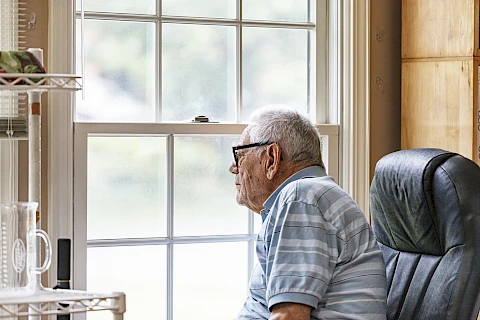
Social isolation is a common challenge among seniors that can significantly affect their well-being. As we age, our social circles can shrink, often due to retirement, mobility issues, or losing loved ones. These changes can lead to loneliness and isolation, impacting both mental and physical health. Addressing social isolation is necessary for maintaining happiness and a good quality of life.
Identifying Signs of Social Isolation
Noticing signs of social isolation in ourselves or our loved ones is the first step toward intervention. Behaviorally, one might withdraw from social activities they once enjoyed, or there may be noticeable changes in how frequently they communicate with friends and family. PerhaPhones are less frequent, or they seem uninterested in conversations. These behavioral shifts can signal a more profound need for connection.
Emotionally, social isolation often results in increased feelings of loneliness or depression. A lack of motivation or interest in daily activities may make simple tasks seem burdensome. Being aware of these emotional indicators can help in recognizing the problem early.
Physical signs aren't always obvious, but they can be telling. Neglecting personal hygiene or living in a cluttered or unclean home environment may indicate isolation. Unexplained weight loss or gain can also indicate something is wrong. Paying attention to these physical symptoms helps us better understand the underlying issue of isolation.
Health Impacts of Prolonged Social Isolation
Ignoring social isolation can lead to several mental health issues. It increases the risk of depression and anxiety, and can contribute to cognitive decline and memory problems. Just as our bodies need physical exercise, our minds need regular social engagement to stay sharp.
Physical health is also at risk. Socially isolated seniors may have a higher susceptibility to chronic illnesses, such as heart disease or diabetes. Their immune systems may weaken, reducing overall longevity. Recognizing and addressing isolation is needed for maintaining both mental and physical health.
Strategies for Overcoming Social Isolation
Fortunately, several ways exist to combat social isolation and help seniors reconnect with others. Encouraging social engagement is one effective strategy. Participating in community events, joining clubs, or engaging in shared-interest activities can create new social connections. Whether it's a book club, art class, or exercise group, the goal is to stay active and engaged.
In today's digital age, technology offers new ways to stay connected. Video calls and social media platforms can help seniors maintain relationships with loved ones who live far away. Online classes and virtual meet-ups can also be a great way to learn something new and meet new people, without leaving home.
Finally, seeking professional support can be beneficial. Counseling or therapy can provide a safe space to talk about feelings. Community resources and support groups can also provide the necessary support network for those who need it.
Decrease Social Isolation with Senior Care Services
Recognizing and addressing social isolation is ideal for the health and well-being of seniors. Taking a proactive approach allows seniors and their caretakers to mitigate the risks of prolonged isolation. Remember, simple changes can make a significant difference. In-home care, for example, can offer regular check-ins with another person and help reach out and connect with others. For those in Minneapolis, Osseo, Excelsior, Wayzata, and Chaska, Senior Helpers Lake Minnetonka offers personalized support to help seniors stay connected and engaged. Contact us to learn more about our home care services and how they can provide the social support needed to improve quality of life.