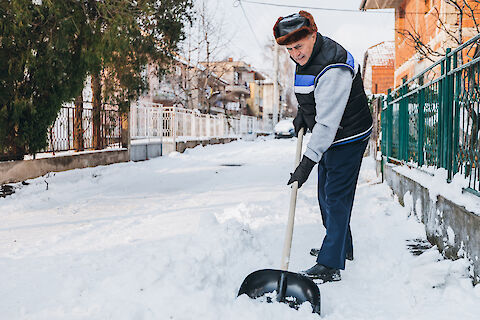
Shoveling heavy snow can raise heart rate and blood pressure faster than running on a treadmill, and cold air tightens blood vessels at the same time. That combination is why emergency rooms see a spike in heart attacks after big snowstorms, and why the risk is highest for older adults and anyone with heart disease. In Southeast Michigan, where storms can drop several inches of wet, heavy snow at once, the safest choice for many seniors is to let someone else handle the shovel.
Why Shoveling Snow Strains the Heart
Shoveling is a short burst of intense work. Lifting heavy, wet snow, often while holding your breath, causes a sudden jump in blood pressure and heart rate. Cold temperatures make blood vessels constrict, which forces the heart to work harder and can reduce blood flow to the heart itself. Many people shovel first thing in the morning, when blood pressure and clotting tendency are naturally higher. For someone with blocked arteries, that strain can trigger a heart attack.
At What Age Is Shoveling Snow Most Dangerous?
The risk rises with age, especially after 55, and for anyone with heart disease, high blood pressure, high cholesterol, diabetes, a history of smoking, or a mostly inactive lifestyle. There isn't a single age when everyone should stop shoveling. Seniors who have heart disease, have had a heart attack or stent, or don't exercise regularly should talk with their doctor before picking up a shovel, and many doctors will advise them not to shovel at all.
Warning Signs of a Heart Attack While Shoveling
Stop shoveling right away and call 911 for any of these symptoms:
- Chest pain, pressure, squeezing, or fullness
- Pain or discomfort in one or both arms, the back, neck, jaw, or stomach
- Shortness of breath
- A cold sweat, nausea, or lightheadedness
Women and older adults are more likely to have subtle symptoms, like unusual fatigue, shortness of breath, or nausea without obvious chest pain. Don't wait to see if symptoms pass, and don't drive yourself to the hospital.
How to Shovel Snow Without Straining Your Heart
For seniors who get the okay from their doctor to shovel, these steps lower the risk:
- Warm up first. Walk around the house or march in place for a few minutes to get the blood flowing.
- Push, don't lift. Pushing snow to the side takes much less effort than lifting and throwing it.
- Take small scoops. A lighter load is easier on the heart and back. An ergonomic shovel helps.
- Shovel early and often. Clear a few inches at a time during a storm instead of waiting for a heavy pile.
- Take frequent breaks. Stop every few minutes to rest and catch your breath.
- Skip heavy meals and alcohol beforehand. Digestion adds to the heart's workload, and alcohol can mask warning signs.
- Dress in layers. Cover your head, hands, and mouth to stay warm and breathe warmer air.
A snow blower takes much less effort than shoveling, but pushing a heavy machine through deep snow still works the heart, so use the same caution.
Slips and Falls on Ice
Heart strain isn't the only winter risk. Icy driveways and sidewalks cause many falls in older adults, which can lead to broken hips and wrists. Wear boots with good tread or slip-on ice cleats, spread salt or sand before walking, keep a hand free for railings, and take short, flat-footed steps on slippery ground. When in doubt, stay inside until paths are cleared.
Safer Ways to Handle Snow
The safest option for many seniors is not to shovel at all. Ask a family member, a neighbor, or a local teen to help, or hire a snow removal service before the season starts so it's in place when the first storm hits. Planning ahead also means stocking up on groceries and medications before a storm, so seniors don't need to clear the driveway to run errands.
Winter Help at Home in Southeast Michigan
Staying warm and safe indoors is easier when someone else handles the errands. Senior Helpers Southeast Michigan companion care caregivers pick up groceries and prescriptions, provide rides to appointments, and check in on snowy days so seniors don't have to go out in the cold, and chronic disease care supports seniors managing heart disease at home. Contact Senior Helpers Southeast Michigan to learn more.