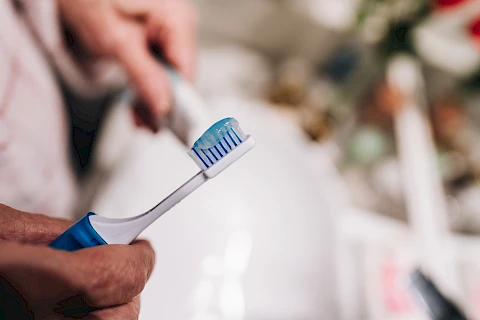
Oral health affects more than a person’s teeth and gums. A healthy mouth makes it easier to eat, speak, and enjoy favorite foods, while problems such as tooth pain, dry mouth, gum irritation, or poorly fitting dentures can disrupt daily routines. As people age, changes in medications, dexterity, saliva production, and existing dental work may also make oral care more challenging.
Brush and Clean Between Teeth Every Day
Brush twice a day with fluoride toothpaste and a soft-bristled toothbrush. Angle the brush toward the gumline and use gentle, circular motions to avoid irritating the gums or wearing down enamel. Clean between teeth daily with floss, interdental brushes, or a water flosser recommended by a dental professional. Seniors with arthritis or limited grip may find an electric toothbrush easier to handle. If oral care becomes difficult, a caregiver may assist while allowing the senior to remain involved in the routine.
Give Dentures Proper Care
Dentures need daily cleaning, too. Remove and gently brush them as directed by a dentist, and clean the gums, tongue, and roof of the mouth. Remove dentures while sleeping unless a dental professional recommends otherwise. Soak them according to the product and dental professional’s instructions, and avoid using hot water, which may change their shape.
Sores, persistent discomfort, clicking while eating, or dentures that slip may indicate that they need an adjustment. Do not try to reshape dentures at home. A dentist can check their fit and determine whether repairs or replacement are appropriate.
Pay Attention to Dry Mouth and Other Changes
Dry mouth is common among older adults and may be related to certain medications or health conditions. Reduced saliva may increase the risk of tooth decay and make chewing or swallowing uncomfortable. Drink water throughout the day, use products made for dry mouth, and discuss persistent symptoms with a dentist or doctor.
Watch for bleeding or swollen gums, persistent bad breath, loose teeth, mouth sores, white or red patches, or changes in how you chew. A sore that does not heal within two weeks deserves a dental evaluation.
Keep Regular Dental Visits
Routine dental appointments allow professionals to check for cavities, gum disease, denture problems, and other changes that may not cause symptoms at first. Seniors should also tell their dentist about medications, medical conditions, dry mouth, and any difficulty eating or completing oral care.
Oral Health and Heart Health
Oral health also has connections to health beyond the mouth. Gum disease involves inflammation and infection of the tissues around the teeth, and research has linked gum disease to cardiovascular conditions. This does not mean that gum disease directly causes heart disease, but it gives seniors another reason to take gum health seriously. Regular brushing, cleaning between teeth, and dental visits can reduce oral problems and help address concerns earlier.
Get Help With Daily Oral Care at Home
Keeping up with oral care may become harder when brushing, denture care, or dental appointments require assistance. The right level of help depends on whether a senior needs occasional help with hygiene or more consistent caregiving.
Senior Helpers Greater Grand Rapids provides Personal Care services for seniors in Gowen, Grand Rapids, Grandville, Greenville, and Jenison, including assistance with personal hygiene and daily routines. Companion Care may also help with transportation to dental appointments and errands. Contact us to learn more and determine whether in-home care fits your senior loved one’s needs.