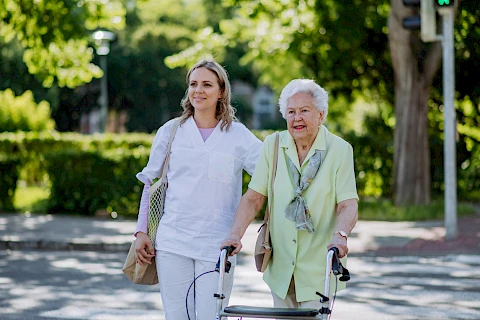
June is National Osteoporosis Month, and for many families, it serves as a reminder to schedule, or follow up on, bone density testing for a senior loved one. The test itself is brief and painless, but the results sheet that comes afterward can be confusing. Going to these appointments and knowing the right questions to ask are among the most important things a caregiver can do to show care for their loved one.
What Do the Test Results Mean
A bone density scan, called a DEXA scan, produces a number called a T-score. The World Health Organization defines the ranges this way: a T-score of -1.0 or above is considered normal bone density; between -1.0 and -2.5 is classified as osteopenia (lower-than-average density, but not yet osteoporosis); and -2.5 or below indicates osteoporosis.
The T-score compares your loved one's bone density to that of a healthy young adult, not to others their age. A separate number on the report, called the Z-score, makes the age-adjusted comparison. Both numbers matter, and ask the doctor to explain what each one means for your specific loved one.
Accompany Them on Appointments
Write questions down beforehand so nothing gets forgotten: What does this result mean for fall and fracture risk? Are there lifestyle changes that would help? Should we discuss medication? What are the options and side effects? When should we repeat the test? If medication is recommended, ask how it works, how to take it, and what the known side effects are. Your loved one may feel more comfortable and reassured with your presence.
Supporting Treatment Decisions
Treatment for low bone density typically involves a combination of approaches. Weight-bearing exercise, even gentle walking, stimulates bone remodeling. Calcium and vitamin D intake matter, and a registered dietitian can advise on whether dietary sources are sufficient or whether a supplement makes sense. If medication is recommended, make sure your loved one clearly understands the instructions, including timing requirements regarding food and other medications. Seniors sometimes have concerns about starting new treatments; listening to those concerns and bringing them back to the physician produces better outcomes than rushing past hesitation.
Helping Your Loved One Stay on Track
Following through after the appointment is where a caregiver makes a significant difference. Keep a note of when the next scan is scheduled, set reminders for any medication with specific timing requirements, and find a way to support the exercise piece. A short walk together in the evenings costs nothing and is good for both of you. Consult their doctor before starting any new physical exercise routine or activity.
Caring for Your Loved Ones’ Bone Health
Bone health is a long-term investment, and understanding the results is the first step. If you live in Brandywine, Clinton, La Plata, Oxon Hill, and White Plains, contact us to discuss how we can support your senior loved one's health and independence at home. Senior Helpers Southern Maryland provides families with compassionate, knowledgeable in-home care.