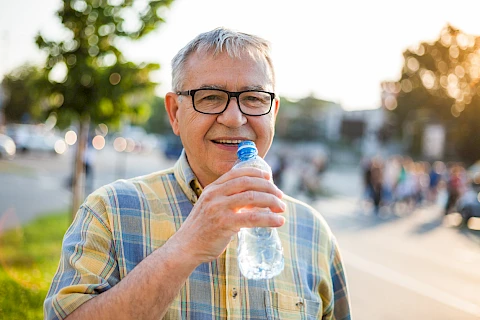
August heat can make dehydration a serious concern for older adults. Seniors may not feel thirsty even when their bodies need more fluids, making it important for caregivers to pay attention to an elderly loved one's drinking habits. A simple hydration routine can help seniors get enough fluids throughout the day and reduce the risk of dehydration.
Why Seniors May Not Feel Thirsty
Thirst is not always a reliable signal for older adults. As people age, their sense of thirst can become less noticeable, which means they may go for long periods without realizing they need fluids. By the time a senior asks for a drink, they may already be mildly dehydrated. Instead of waiting for thirst, offer fluids regularly throughout the day, including with meals, medications when appropriate, and snacks.
Recognize Signs of Dehydration
Recognizing the early signs of dehydration can help caregivers respond before the problem becomes more serious. Dark-colored urine, dry mouth, headache, dizziness, unusual tiredness, and confusion may indicate that a senior is not getting enough fluids.
Pay attention to changes in bathroom habits, such as urinating less often than usual. Dehydration can develop gradually, so take changes seriously rather than waiting. Take note of any new or worsening symptoms. Severe confusion, fainting, or an inability to keep fluids down requires prompt medical attention.
Monitor Fluids Throughout the Day
A simple routine can make it easier to notice whether a senior is drinking enough. Offer a glass at breakfast, another after a walk, and a drink with an afternoon snack. Keep water or another preferred beverage within easy reach in the room where your relative spends the most time.
If needed, keep track of approximately how much your loved one drinks throughout the day. This can help you notice changes and provide useful information to a healthcare professional. However, not every senior should increase their fluid intake. Older adults with certain heart, kidney, or other health conditions may have fluid restrictions and should follow their medical team's recommendations.
Make Drinking Easier and More Appealing
Some seniors may drink more when beverages are convenient and enjoyable. A lightweight cup with a handle, a straw, or an easy-open bottle can help someone who has difficulty gripping or lifting a regular glass. Offer different options based on personal preferences, such as cold water, milk, herbal tea, soup, or water-rich foods such as melon.
Smaller servings offered throughout the day may feel more manageable than a large bottle that needs to be finished. For seniors who do not enjoy plain water, adding fruit or cucumber can provide a little variety.
Encourage Without Nagging
Hydration reminders work best when they feel supportive rather than controlling. Try, “Your glass is still full. Would you like cold water or tea?” Giving a choice can make the reminder easier to accept.
During hot weather, check the available drinks before leaving the house and again later in the day. Vomiting, diarrhea, fever, heavy sweating, or extended time outdoors can increase fluid needs and warrant closer monitoring. Ask a pharmacist or healthcare provider whether any medication your senior loved one is taking can affect fluid balance or heat tolerance.
Keep Hydration Part of the Daily Routine
Making drinks part of familiar daily activities can help seniors stay on track with hydration, especially when thirst is not a reliable reminder. For families in Annapolis, Arnold, Crownsville, Gibson Island, and Pasadena, Senior Helpers can provide in-home support, including routine reminders and more. Contact us to start exploring your options.