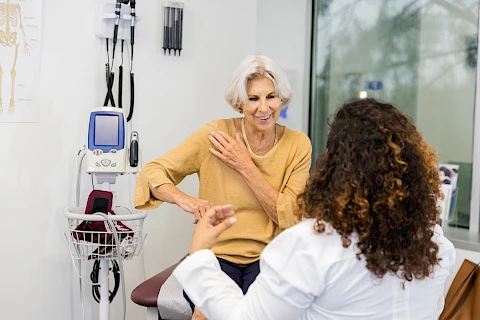
The hair appointment and the church supper may already be on your mother's refrigerator calendar. The mammogram she meant to book last spring may not be. Health screenings for senior women can be easy to postpone, especially when appointments, transportation, and different screening schedules all have to line up. Senior Helpers looks at several screenings worth discussing with her doctor this fall and how families can keep the follow-up from getting lost.
Start With the Yearly Wellness Visit
Before booking anything else, book the yearly wellness visit. For women enrolled in Medicare Part B for more than 12 months, the Annual Wellness Visit includes a review of health risks and a personalized prevention plan
Bring your mother’s medication list and questions. It can also help to write down the date of her last mammogram, bone density scan, colon cancer screening, and other tests so the doctor can quickly see what may be due.
Screenings to Ask Her Doctor About
Not every woman needs every test on the same schedule. Age, medical history, previous results, and personal risk all matter, so use this list as a starting point for a conversation with her healthcare provider.
- Mammogram - The U.S. Preventive Services Task Force recommends a mammogram every two years for women ages 40 to 74 at average risk. The CDC explains what a mammogram involves. For women 75 and older, evidence is not strong enough to recommend routine screening, so the decision should be individualized with her doctor.
- Bone Density Test - Women age 65 and older should be screened for osteoporosis. Postmenopausal women younger than 65 may also need screening when risk factors indicate a higher fracture risk.
- Blood Pressure Check - High blood pressure often has no symptoms. The USPSTF recommends screening adults for hypertension, with annual screening suggested for adults age 40 and older and others at increased risk.
- Blood Sugar Testing - Diabetes screening depends on age and risk factors. Her doctor can determine whether fasting glucose, an A1C test, or another test belongs on her schedule.
- Colorectal Cancer Screening - Several options are available, including stool-based tests and colonoscopy. Screening is routinely recommended through age 75, while decisions from ages 76 to 85 depend on health, previous screening, and personal preference.
- Cervical Cancer Screening - Many women older than 65 can stop routine cervical cancer screening if they have had adequate previous screening and are not at high risk. Her doctor can confirm whether that applies to her.
- Vision and Hearing Checks - Changes in sight or hearing can affect driving, communication, and confidence in everyday activities. Ask how often she should have each checked based on her history.
- Skin Test - Bring up any mole, spot, or lesion that is new or has changed in size, shape, color, or appearance.
Making Appointments Actually Happen
Knowing what's due only gets you partway. Group appointments when you can, and write every date on the calendar she actually looks at. Families in Fitchburg, Leominster, and Gardner often juggle long drives to specialists. Plan the ride well ahead. If she's nervous about a test, ask the office what to expect and tell her plainly. The Office on Women's Health has a printable guide to screenings for women at every stage of life that you can bring along.
After each appointment, keep results and follow-up instructions in one folder, along with the names of any specialists she sees and the date each test was last done, so the next doctor can see the whole picture at a glance.
Screening Support Across North Central Massachusetts
An extra set of hands helps. Senior Helpers Fitchburg provides caregivers who can offer rides to appointments, reminders about upcoming visits, and companionship on the days she'd rather not go alone. We serve families in Fitchburg, Ashburnham, Ashby, Baldwinville, and Leominster. Contact us to set up help for her next round of checkups.