Alzheimer's disease is more than just a medical condition; it affects entire families. For those whose loved ones have been diagnosed, the world can suddenly seem both uncertain and demanding. Recognizing how caregiving responsibilities evolve is a must. November is Alzheimer's Awareness Month, making it the perfect time to understand what changes lie ahead and how to prepare for them. It's time to explore how your responsibilities change when your senior loved one develops Alzheimer's and as it progresses.
The Initial Diagnosis
When a loved one is diagnosed with Alzheimer's, it can be overwhelming. There's a whirlwind of emotions, from disbelief to sadness, and the practical responsibilities immediately shift. Caregivers suddenly find their daily routines disrupted, as they must accommodate the needs of their loved one. Education becomes a priority, as understanding the disease offers better management methods. Support from family, friends, and support groups can also provide much-needed guidance during this challenging time.
Progression of Caregiving Responsibilities
As Alzheimer's progresses, so do the demands on caregivers. Reminders to take medications or gentle encouragement to maintain social connections might be enough in the early stages. However, as the disease advances, the list of caregiving tasks grows. Loved ones may require more supervision, and assisting with daily activities like dressing, eating, and bathing becomes necessary. Behavioral changes, such as agitation or confusion, add another layer of complexity. Effective communication techniques and patience become indispensable tools in the caregiver's arsenal. You need to practice patience as much as possible and ensure that you take time for self-care.
Balancing Caregiving and Personal Life
The emotional and physical toll on caregivers is often underestimated. Juggling the responsibilities of caregiving with personal life can be exhausting. Establishing a routine, delegating tasks when possible, and making time for hobbies can help maintain one's well-being. Reaching out for support from family and community resources can lighten the load. Remember, taking care of yourself isn't selfish; providing professional care to your loved one is necessary.
Professional Caregiving Options
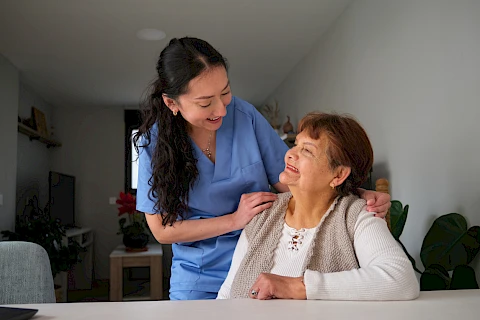
As the disease progresses, professional caregiving services become necessary for many families. These services offer a range of supports, from part-time assistance to comprehensive 24-hour care. One of the significant benefits of professional Alzheimer's and dementia care is the expertise these caregivers bring. They're trained to handle the unique challenges Alzheimer's presents, providing care with compassion and skill.
Professional Support for Alzheimer's Care
Caring for someone with Alzheimer's is a journey filled with evolving responsibilities. From initial diagnosis to the later stages of the disease, the role of the caregiver continually changes. You need to seek help and use available resources to navigate these challenges. For those needing guidance or professional care, contact Senior Helpers Naperville. They provide Alzheimer's care tailored to meet the unique needs of your loved one in Naperville, Aurora, Oak Park, Berwyn, and DuPage County. Remember, you're not alone; support is just a call away.