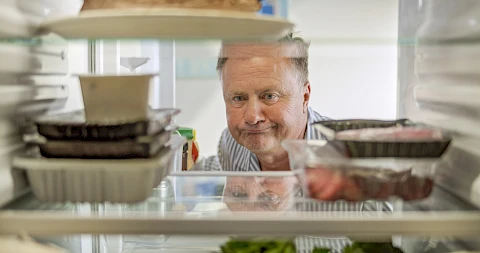
Storing leftovers can be a convenient way to save time on meals and reduce waste. However, they also come with food safety risks when not done right. Foodborne illnesses can be a serious threat, especially for seniors who are often more susceptible due to age-related changes in their immune system. Knowing how long it’s safe to keep certain foods and when it’s time to discard them is key to protecting your health.
Leftover Storage
Storing leftovers properly is critical to ensuring food safety. After preparing a meal, refrigerate leftovers within two hours. This timeframe is vital to prevent bacteria from multiplying.
Different types of food have specific storage guidelines. You can keep meat in the refrigerator for three to four days. Consume dairy products, like milk and cheese, within one to two weeks. Cooked grains and vegetables typically last three to five days when chilled.
Labeling leftovers with the date they were prepared can be incredibly helpful. This simple step can prevent confusion and ensure food is consumed while still safe.
Recognizing Signs of Spoilage
Using your senses is an excellent way to detect if food has gone bad. Spoiled food often has a sour or rancid smell. Texture can also be a clue. If something feels slimy or if there’s a change to its consistency, it's best to avoid it.
Visually, changes in color or the presence of mold are definite signs of spoilage. Always remember: when in doubt, throw it out. It's better to waste a small amount of food than to risk your health.
Safe Reheating Practices
When you're ready to enjoy leftovers, reheating safely is crucial. Proper reheating techniques can prevent bacteria from causing illness. Aim to reheat food to an internal temperature of 165°F, which kills most harmful bacteria.
Using a microwave can be a quick option. Just ensure that the food is heated evenly. Stir or rotate the food midway through heating to eliminate cold spots. If using an oven, preheat it and use an oven-safe dish to ensure even heat distribution.
Preventing Foodborne Illnesses
Foodborne illnesses can range from mild discomfort to serious health threats. Salmonella, E. coli, and Norovirus can cause symptoms like nausea, vomiting, and diarrhea. To minimize risks, practice good hygiene and prevent cross-contamination. Wash your hands thoroughly before and after handling food. Keep raw meats separate from other foods during preparation. Remember to clean kitchen surfaces, cutting boards, and utensils regularly to maintain a safe environment.
Senior Helpers Can Help with Meal Planning and Prep
Food safety is a vital part of maintaining halth, especially for seniors. With proper practices, seniors can enjoy nutritious meals and confidence that their food is always fresh and safe. If you can benefit from added support at home, particularly with meal planning and preparation, diet monitoring, or assistance with daily living activities, we can help. Senior Helpers Northwest Atlanta offers personalized home care services and solutions tailored to the needs of the seniors in Atlanta, Austell, Lithia Springs, Mableton, and Smyrna. Contact us today for more information!