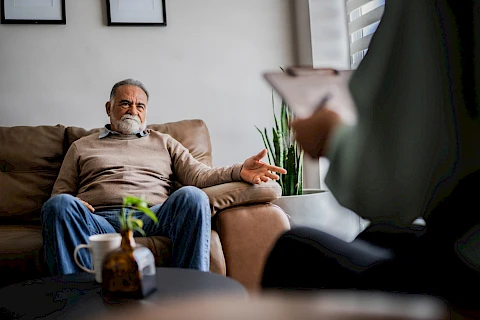
Loneliness usually creeps in. A friend moves to be near her grandkids, the Tuesday card group breaks up, and the phone rings less often than it used to. Usually a few new connections ease that ache. Sometimes the heavy feeling lingers for weeks. Senior Helpers recommends seeking professional support, and asking for that help shows good judgment about your own health.
When Loneliness Starts to Stick
Everyone feels lonely now and then, and usually a phone call or a good week clears it, whereas the persistent kind hangs on even after a visit from family, and it can start to color everything else. Pay attention if you notice several of these for two weeks or more:
- You've lost interest in things you used to enjoy.
- Sleep has changed, either too little or far too much.
- Meals feel like a chore, or you've stopped cooking for yourself.
- You feel hopeless, worthless, or like a burden to others.
- Leaving the house in Tucker or Lilburn for a simple errand feels like too much effort.
The NIA notes that depression in older adults is common but is not a normal part of aging, and that it can be treated. Loneliness and depression often travel together, so a checkup is a sensible step.
Your Doctor Is a Good First Call
You don't need to find a therapist on your own right away; your regular doctor can be your first stop. Book an appointment and say plainly that you've been feeling lonely or low for a while, how long it has lasted, and what's changed in your daily life. Bring a few written notes along.
Your doctor can check for physical causes. Thyroid problems, medication side effects, hearing loss that makes every conversation at church or the grocery store exhausting, and a long list of other health issues can all affect mood, sometimes in ways that feel exactly like loneliness. Referrals to a counselor often start there.
What Talk Therapy Can Offer
Many people over 65 have never seen a therapist. Therapy is a conversation, usually weekly, with a trained professional who helps you sort through feelings and find practical ways forward. The American Psychological Association has a helpful overview of psychotherapy and its main types.
Sessions can take place in an office in Decatur, over video from your kitchen table, or by phone. Some people prefer groups. Support groups for grief, caregiving, or life transitions meet in community centers and churches across DeKalb and Gwinnett counties.
If Things Feel Urgent
If you ever have thoughts of harming yourself, or feel that life isn't worth living, reach out right away. Call or text 988 to reach the 988 Crisis Line. It's free, confidential, and available at any hour, and people call for all kinds of reasons.
Everyday Company Alongside Professional Care
Professional support and daily companionship work well together. A caregiver can drive you to appointments, share a meal, take a walk with you around Stone Mountain, and sit with you through the afternoons that used to feel long. Senior Helpers East Metro Atlanta serves older adults and families in Lilburn, Clarkston, Pine Lake, Scottdale, and Stone Mountain. Contact us to talk about companionship that fits your week.