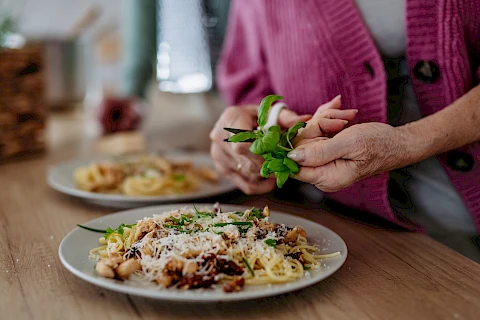
Living with Parkinson's disease can make everyday tasks like cooking feel like significant challenges. The tremors, stiffness, and reduced mobility associated with Parkinson's can be frustrating, especially for those who have a passion for preparing meals. However, maintaining independence in the kitchen and ensuring proper nutrition are crucial for overall health and well-being. With a few adjustments and using the right tools, cooking can remain a safe, manageable, and enjoyable part of your daily routine.
Adapting Your Cooking Space
Creating an accessible kitchen can greatly enhance safety and convenience. Organize your kitchen to ensure frequently used items are within easy reach. This reduces the need for stretching and bending, which could lead to accidents. Consider using shelves and drawers that open easily, and keep essential tools and ingredients on the countertop.
Investing in adaptive tools and gadgets can make a significant difference. Look for utensils with large, easy-grip handles to aid those with limited dexterity. Non-slip mats can help keep mixing bowls steady, and jar openers that require minimal grip strength can be helpful. Electric can openers and other automated gadgets may also ease the cooking process.
Safe and Simple Cooking Techniques
Traditional cooking often involves a lot of cutting and chopping, which can be challenging. Thankfully, there are alternatives to using a knife. Pre-cut fresh vegetables and fruits can save time and effort, and are available in most grocery stores. Frozen produce is another excellent option. It is already washed and chopped, allowing you to focus more on cooking rather than preparation.
Kitchen shears can replace knives for many tasks, such as cutting herbs or slicing pizza. Another versatile tool is a food processor, which can handle chopping, slicing, and blending with ease.
To simplify cooking and minimize movement around the kitchen, consider one-pot meals and slow cooker recipes. These methods reduce the need to juggle multiple pots and pans, making meal preparation more manageable.
Protecting Mobility and Dexterity
Maintaining and protecting mobility is vital for those with Parkinson's disease. Physical therapy is essential in managing symptoms. It can improve balance, strength, and flexibility, which in turn can enhance your ability to cook. Remember to consult your doctor before starting any exercise.
Simple hand exercises can help maintain dexterity. Activities such as squeezing a stress ball, practicing finger tapping, and using silicone grip trainers are all effective ways to improve hand strength and coordination. Regular practice can make a noticeable difference over time.
Nutritional Tips for Seniors with Parkinson's
Balanced meals are crucial for overall health, particularly for seniors living with Parkinson's. A diet rich in fruits, vegetables, lean protein, and whole grains can boost energy levels and support brain health. It's also important to maintain hydration by drinking plenty of water throughout the day.
Navigate Parkinson’s with Custom Care and Support Services From Senior Helpers
Cooking with Parkinson's requires adaptability, but it is certainly possible with the right approach and tools. Introducing small changes in your kitchen setup and cooking methods can make meal preparation safer, easier, and less stressful, allowing you to continue enjoying greater independence and confidence in the kitchen. For more personalized senior support and assistance, including Parkinson’s care in Canton, Cartersville, Rome, Blairsville, and Chatsworth, Senior Helpers Canton-Rome-Cartersville is here to help. Contact us to learn more about our senior care services.