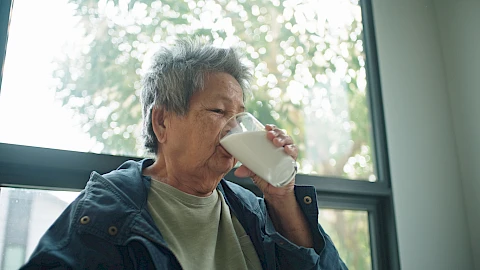
Strong bones support mobility, reduce the risk of fractures, and prevent related complications. This makes bone health a top priority in senior care. With the right diet, caregivers can help senior loved ones maintain healthy bones in their later years.
Bone Health in Older Adults
As people age, their bone density naturally decreases. While a natural part of aging, it can lead to osteoporosis, a condition where bones become weak and brittle. Osteoporosis affects millions of seniors, increasing the risk of fractures from falls or even minor bumps. Early prevention and proactive care reduce these risks, helping seniors to maintain independence longer.
Key Nutrients for Strong Bones
Calcium is integral to building and maintaining strong bones. Seniors can benefit from calcium-rich foods, such as dairy products like milk, cheese, and yogurt. For those who are lactose intolerant, fortified plant-based milk and juices are good alternatives.
Vitamin D is vital for calcium absorption. Natural sources of Vitamin D include sunlight and fatty fish, like salmon and tuna. Fortified foods, such as milk and cereals, can also boost intake.
Protein supports bone building and muscle strength. Good sources of protein include lean meats, poultry, fish, eggs, and plant-based options like beans, nuts, and legumes.
Magnesium is another essential nutrient, found in whole grains, nuts, and green leafy vegetables. Vitamin K, present in green leafy vegetables, broccoli, and fish, is equally important. Zinc, available in meat, shellfish, legumes, and seeds, is also crucial to a bone-healthy diet.
Dietary Recommendations for Seniors
To support bone health, seniors should aim for a balanced diet rich in the mentioned nutrients. Here are a few tips:
- Focus on variety: Encourage the inclusion of different food groups. The more diverse the diet, the more comprehensive the nutrient intake.
- Prioritize whole foods: Opt for fresh, whole foods over processed foods.
- Limit salt and caffeine: Excessive salt and caffeine can interfere with calcium absorption.
A sample meal plan for senior loved ones could be fortified oatmeal topped with fruits and a side of yogurt for breakfast. Lunch may consist of a leafy salad with grilled chicken or fish. Dinner could feature lean meats or plant-based proteins, with a side of steamed vegetables and whole grains.
Essential Lifestyle Adjustments
Lifestyle choices are equally important in maintaining bone health. Regular physical activity, such as weight-bearing exercises like walking, dancing, or light weightlifting, helps maintain bone density and overall strength. Just remember to consult a doctor before introducing senior loved ones to a new fitness routine.
Seniors should also avoid smoking, as it can accelerate bone loss. Limiting alcohol consumption is also advisable, as excessive alcohol can weaken bones over time. Encourage safe sun exposure for a few minutes daily to help boost Vitamin D levels, supporting calcium absorption.
Senior Helpers Can Assist with Diet Monitoring and More
Supporting bone health in seniors involves a combination of proper nutrition and healthy lifestyle choices. This ensures improved quality of life and reduced risk of bone-related issues. As caregivers, understanding these needs can help create effective care plans tailored to each senior's needs. For personalized support caring for a senior loved one in Canton, Cartersville, Rome, Blairsville, and Chatsworth, Senior Helpers Canton-Rome-Cartersville can help. Our tailored home care covers everything from support with daily living tasks to diet monitoring, meal planning, and more. Contact us today for more information!