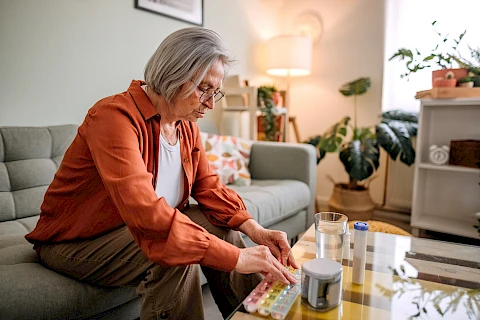
For many seniors, managing medications can be a complex and sometimes overwhelming task. Yet, ensuring medication safety is crucial for maintaining their health and well-being. As a caregiver, overseeing a senior loved one's medication regimens helps prevent errors, avoid potential side effects, and ensure that medications are taken correctly and on time.
The Basics of Senior Medication Management
One of your top priorities as a caregiver is to keep an accurate list of all the medications the senior is taking. This includes prescription drugs, over-the-counter medicines, vitamins, and supplements. Remember to update this list and ensure it’s easily accessible.
Always take time to read and understand medication labels and instructions. This helps in administering the appropriate dosage at the correct times. Pay attention to specific instructions, such as having the senior take the medication with food or on an empty stomach.
Organizing Medications
Set up a clear medication schedule. Create a chart or calendar that outlines the medications the senior must take, along with the specific times. With this visual aid, it’s easier to keep track of the senior’s medication routine.
Using tools such as pill organizers or medication management apps can further simplify this process. Pill organizers with separate compartments for each day or time can prevent mistakes. Mobile apps can also offer reminders and alerts for upcoming doses.
Monitoring for Side Effects
Seniors may experience side effects from medications, so it pays to monitor for any changes in their health. Common side effects can include dizziness, nausea, or changes in appetite. Always observe and document any unusual symptoms. Report any side effects to healthcare providers as soon as possible. Documentation can help doctors make informed decisions about adjusting medications or dosages.
Effective Communication with Healthcare Providers
Going into medical appointments well-prepared can make a significant difference. Write down any questions or concerns about medications beforehand. Ask about the purpose of each medication, possible side effects, and any interactions with other drugs. Share the senior’s medication list with healthcare providers to avoid any potential interactions or complications. Open communication ensures a well-coordinated approach to your loved one’s care.
Strategies for Medication Adherence
Help seniors remember to take their medications by establishing routines and reminders. Encourage the use of alarms on their phone or watch. Consistency and repetition can make medication-taking part of their daily habit. Motivate seniors to take an active interest in their health and medication management. Discuss with them the importance of each medication and its role in their health.
Safe Storage Practices
Proper storage of medications is critical to their effectiveness and safety. Keep medications in a cool, dry place away from direct sunlight. Ensure they are out of reach of children and pets. Regularly review and dispose of expired or unused medications. Follow local guidelines for safe disposal, such as community take-back programs or approved disposal containers.
Senior Helpers Can Assist with Medication Routine Reminders and More
Ensuring medication safety for seniors involves organization, monitoring, communication, and adherence. If you’re considering more support for a senior loved one at home, Senior Helpers Canton-Rome-Cartersville is happy to help. We provide professional in-home care for seniors, including medication routine reminders, help with daily living tasks, and more. Contact us for top-notch senior care in Canton, Cartersville, Rome, Blairsville, and Chatsworth.