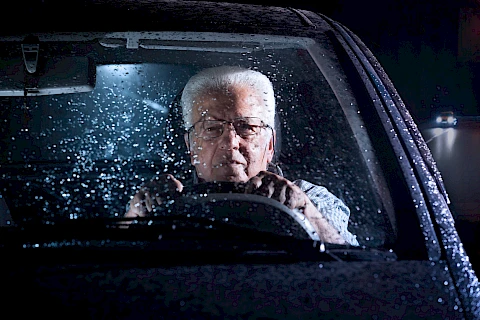
June is National Safety Month. In South Florida, many seniors enjoy evening drives to dinner in Plantation, to visit family in Weston, or to catch films in Davie. Night driving is a normal part of life for older adults and doesn’t have to stop. That said, knowing which conditions make a safe night drive for seniors more demanding. But with a few practical strategies, it makes all the difference when those conditions arise.
What Can Make Night Driving More Challenging
Understanding what affects a safe night drive for seniors starts with the most common factor: age-related changes in vision. As people age, their pupils naturally become smaller and less responsive, reducing light entering the retina and making low-light vision more challenging. Glare from oncoming headlights, especially from newer LED vehicles, can cause momentary blinding and disorientation. Additionally, depth perception and contrast sensitivity may decline, impacting the ability to read curb edges, lane markings, and distant objects illuminated by headlights.
Dry eye, which becomes more common with age and in Florida's air-conditioned interiors, can intensify glare and cause visual fatigue on longer drives. The American Optometric Association has useful information on age-related vision changes, including when a prescription update might help.
Reducing the Challenges With Practical Adjustments
Nighttime driving challenges can be minimized by optimizing vehicle maintenance, managing vision care, and planning travel routes strategically. Use these practical adjustments for safer nighttime driving:
- Clean your windshield thoroughly, inside and out, to eliminate scattered glare that creates halos around headlights, and replace wiper blades annually to prevent streaking.
- Ensure your vehicle's headlights are clean and properly aligned, as clouded or yellowed lenses on older cars dramatically reduce light output.
- Schedule an annual eye exam and ask your optometrist about adding an anti-reflective coating to your eyeglass lenses to noticeably reduce oncoming glare.
- Modify your route or schedule to avoid tricky intersections in areas with variable lighting, such as North Lauderdale or Tamarac, and aim to arrive before full dark to avoid heavy traffic.
Shifting More Driving to Daytime When You Choose To
Some seniors prefer to schedule errands and social visits during the day to feel more confident and less stressed. Mornings in South Florida are ideal due to cooler temperatures, lighter traffic, and good visibility. For a safe night drive, like a weekly dinner or visits to grandchildren, maintaining a routine makes driving easier. If driving at night is uncomfortable, rideshare services or help from family or caregivers are good alternatives to ease the journey.
Ensuring a Safe Night Drive for Seniors
Night driving in the Sunrise area is manageable with the right adjustments, and knowing your options gives you real flexibility. Senior Helpers of Sunrise supports older adults across Fort Lauderdale, North Lauderdale, Tamarac, and Weston with in-home care that keeps life moving comfortably. Contact us to learn more about how we can help.