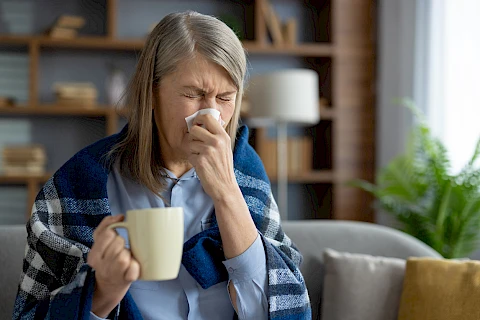
Seasonal allergies can cause discomfort and interfere with daily activities, especially for older adults. As we age, maintaining health becomes even more significant. Managing allergens effectively helps seniors avoid discomfort and enjoy daily activities. Fortunately, some strategies can be used to minimize the impact of allergies, allowing them to enjoy fall more comfortably.
Seasonal Allergies in Seniors: What You Need to Know
Experiencing allergies can affect older adults differently from younger people. Allergies can also appear later in life. Common allergy symptoms include sneezing, a runny or stuffy nose, itchy eyes, and coughing. However, in older adults, these symptoms might be confused with other health issues, such as colds or respiratory problems.
Understanding and practicing effective managing seasonal allergies for seniors is significant, as it helps address these signs early. It can lead to fatigue and irritability, making it hard to enjoy daily activities or get a good night's sleep. Being proactive about managing these signs can improve overall health and well-being.
Identifying Allergy Triggers
To effectively manage allergies, it’s necessary to determine what triggers them. In this area, common fall allergens include ragweed pollen, mold, and dust mites. Each older individual may react differently, so recognizing personal triggers is an essential step in managing seasonal allergies for seniors.
Staying informed about local pollen counts can also help in planning activities. On days when pollen levels are high, consider staying indoors or taking precautions to minimize exposure. With knowledge of your triggers and awareness of pollen levels, you can better manage symptoms.
Strategies to Reduce Allergen Exposure
Taking steps to reduce allergen exposure can help manage symptoms. Inside the home, using air purifiers and keeping windows closed can prevent allergens from entering. Regular cleaning, especially of dust-prone areas like shelves and carpets, is also helpful.
When it comes to outdoor activities, timing is significant. Try to limit time outside during peak pollen hours. If you do go out, sunglasses and a wide-brimmed hat can help keep pollen out of your eyes and hair.
After being outside, shower and change clothes to remove pollen from your body, reducing exposure when you come back indoors. These simple changes can make a significant difference.
Finding Relief From Allergy Symptoms
There are ways to find relief if allergens still manage to trigger symptoms. Some over-the-counter and prescription medications can help. In addition to medication, natural remedies such as saline nasal sprays or herbal teas can soothe symptoms.
Making lifestyle adjustments, like staying hydrated and maintaining a balanced diet, can also support the immune system's response to allergens. Consult with your healthcare provider, who can provide personalized advice on managing allergies safely and effectively. They can recommend the best courses of treatment according to your needs.
Combat Seasonal Allergies With Senior Helpers
Managing seasonal allergies for seniors is necessary who wish to enjoy the fall without being hindered by uncomfortable symptoms. With understanding and identifying triggers, reducing exposure, and finding effective relief, seniors can maintain the best quality of life during the allergy season.
If you need help with personal care and light household chores, contact us at Senior Helpers Sun City. We're here to support seniors in Ruskin, Apollo Beach, Sun City Center, Riverview, and Gibsonton.