As the colder months creep in, older adults need to focus on safeguarding themselves from winter-related senior hazards. This season can present significant challenges, especially at home. Here, we'll explore essential tips to ensure a safe and cozy season.
Prevent Falls
Falls are the leading cause of injury for older adults, so prevention is your top priority. Even here, where snow and ice are rare, wet or slippery surfaces are still considered winter-related senior hazards.
- Keep pathways around the home clear of any obstructions and ensure they're safe by sweeping away leaves and debris.
- Invest in non-slip permanent flooring.
- Wear sturdy footwear with good traction, suitable for both indoor and outdoor use.
- Ensure hallways and stairs are well-lit.
- Install grab bars and handrails where necessary to ensure safety and stability.
These small additions can provide extra stability and confidence, particularly in the bathroom. They don't have to be expensive, either, if you're clever with sourcing materials and have a knack for do-it-yourself projects.
Stay Warm Indoors
Even in milder climates, maintaining a warm home is vital for your health, particularly if you have arthritis or respiratory problems.
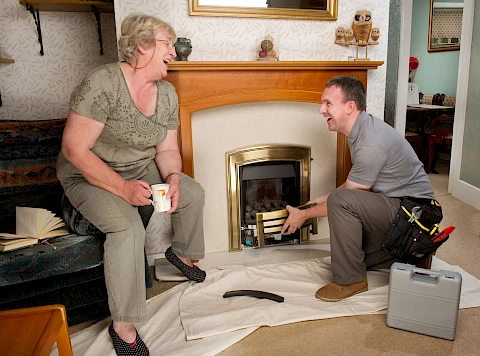
- Check that your heating system is working optimally and schedule regular maintenance to avoid breakdowns or carbon monoxide poisoning.
- Improve home insulation by sealing windows and doors to help keep the warmth inside where it belongs.
- Dress in layers to regulate body temperature throughout the day.
- Keep extra blankets nearby for added comfort during particularly chilly evenings.
Prepare for Potential Emergencies
Emergencies during cold months, such as power outages, require preparation. Build an emergency kit with essentials: water, non-perishable food, extra medication, blankets, and flashlights. Keep a list of emergency contacts handy, including family, neighbors, and local services.
If you rely on electricity for medical equipment, consider using an alternative power source, such as a battery-powered station or portable generator. Never operate fuel-powered generators indoors or near windows.
Perform Regular Home Maintenance
Maintaining your home during the colder season is more than a routine task; it's a safety strategy that can prevent accidents. Testing smoke detectors and carbon monoxide alarms regularly ensures they are functioning correctly when they're needed most.
Do you have a fireplace or wood stove? Regular cleaning and inspections can prevent dangerous fires and ensure proper ventilation.
Stay in Touch
Isolation can intensify in winter, so staying connected is essential for emotional well-being. Regular communication with family, friends, or neighbors helps loved ones feel supported when getting out is challenging. Scheduled check-ins, either by phone or in person, are essential for monitoring health and safety.
Technology provides tools for social interaction that eliminate the need for travel. Video calls, messaging apps, and online clubs can help older adults stay engaged and reduce loneliness.
We Can Help Address Winter-Related Senior Hazards for a Safer Season
With these safety tips for the colder months, older adults like you can enjoy a safe and comfortable season. Fall prevention, staying warm indoors, preparing for emergencies, maintaining the home, and staying connected form the backbone of winter safety.
Do you need assistance with day-to-day tasks, from light housework to personal care? If you live in St. Petersburg, Gulfport, South Pasadena, St. Pete Beach, or Treasure Island, Senior Helpers St. Petersburg is here to help. Contact us today to learn how!