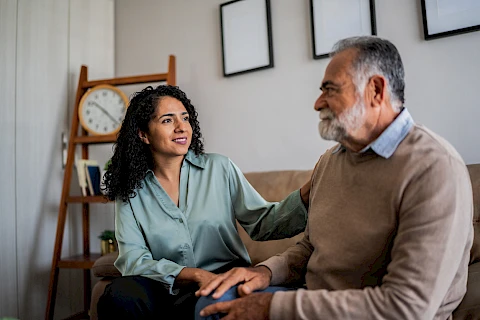
Post-traumatic stress disorder (PTSD) can affect anyone who has experienced a traumatic event, and older retirees are no exception. It's a mental health condition that can impact the well-being of older adults. As people age, they may face unique challenges that can exacerbate symptoms of PTSD in older adults. Senior Helpers believes it's essential for older adults, their families, and caregivers to understand and learn how to address this condition.
PTSD in Seniors
While it is often associated with veterans, trauma-related stress can result from any uncomfortable experience, such as accidents, natural disasters, or personal loss. Older adults may be more vulnerable to mental health issues due to a variety of factors, including a buildup of past trauma, shifts in their social environment, and challenges related to their physical health. These elements can significantly impact their overall well-being. Their resilience might decrease as they age, making it harder to cope with new stressors.
Typical Triggers for Elderly Loved Ones
As life changes, so do the stressors that can trigger PTSD in older adults. Common triggers include life changes and loss, such as retirement, loss of loved ones, or moving to a new living situation, which can be overwhelming. Health-related triggers can resurface traumatic memories like dealing with chronic illnesses, declining health, or hospitalizations. Past traumatic experiences may become more pronounced as they reflect on their lives.
Recognizing Symptoms of PTSD in Older Adults
Identifying delayed-onset trauma-related pressure can be challenging, as symptoms might be mistaken for other age-related issues or mental health conditions. However, several red flags can point to trauma-related stress. Emotional signs include increased anxiety, depression, or irritability. Physical symptoms might manifest as sleep disturbances, nightmares, or chronic fatigue. Behavioral changes can occur in older individuals. They may withdraw from family and friends or avoid places and activities that remind them of the past.
Coping Strategies for Elderly Individuals
Once you've identified how they manifest, finding ways to cope and handle them is vital. Here are a few strategies loved ones can use to manage symptoms:
- Mindfulness and Relaxation Techniques: Yoga, meditation, or breathing exercises can help calm the mind and reduce mental strain.
- Social Activities and Hobbies: Staying connected with others through clubs, volunteering, or hobbies can provide emotional support and distract from distressing thoughts.
- Maintaining a Routine and Healthy Lifestyle: Consistent daily activities, a balanced diet, and regular exercise can help stabilize mood and improve overall well-being.
Seeking Professional Help
Sometimes, self-help strategies may not be enough. Seeking professional assistance is a wise step when symptoms become unmanageable or interfere with daily life. Types of therapy effective for elderly anxiety and trauma include cognitive-behavioral therapy (CBT) and eye movement desensitization and reprocessing (EMDR). Sometimes, a healthcare provider might prescribe medication, so discussing options and potential side effects is crucial.
We Can Help Your Loved Ones Manage Stress
PTSD in older adults can have a profound effect. Older retirees and their carers can identify symptoms and adopt coping strategies to make a significant difference.
If you or a loved one needs assistance, contact us at Senior Helpers St. Petersburg for comprehensive care and support. We proudly serve older adults and their families in the Gulfport, South Pasadena, St. Pete Beach, and Treasure Island communities.