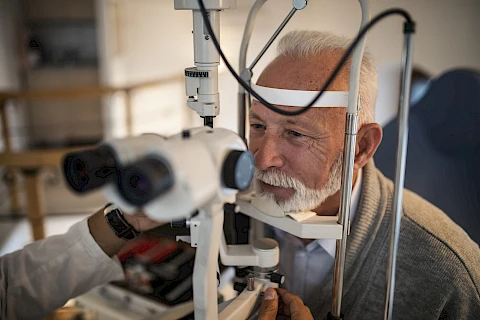
As our loved ones age, maintaining their eye health becomes a crucial aspect of their overall well-being. As they age, seniors are more susceptible to conditions that can lead to vision loss or impairment, which can affect their quality of life. October is Blindness Awareness Month, a time dedicated to increasing awareness about vision health and preventing blindness. For caregivers, understanding how to support eye health in seniors is essential.
Senior Helpers Brevard County will educate caregivers about the importance of maintaining senior eye health, focusing on common age-related eye conditions and offering tips to support good vision.
Age-Related Eye Conditions
As seniors age, the risk of developing eye conditions that can lead to vision loss increases. Some common eye issues that seniors may face include cataracts, glaucoma, age-related macular degeneration (AMD), and diabetic retinopathy.
- Cataracts cause clouding of the eye's lens, leading to blurry vision, faded colors, and increased glare from lights.
- Glaucoma, the silent thief of sight, can damage the optic nerve and may not present noticeable symptoms in seniors until vision loss occurs.
- AMD affects the macula, the part of the retina responsible for sharp, central vision. This can cause difficulty in seeing faces and reading.
- Diabetic retinopathy, linked to diabetes, damages blood vessels in the eye and can lead to vision loss if untreated.
Regular eye exams are pivotal in detecting these conditions early. Early detection can prevent or slow down vision loss and help in starting the necessary treatments on time.
Symptoms to Watch For
Caregivers should be vigilant about recognizing symptoms that might indicate an eye problem in seniors. These include sudden vision blurriness, difficulty with night vision, increased sensitivity to bright lights, frequent updates to prescription glasses, and redness, pain, or swelling in the eye, all of which require immediate medical attention. If any of these symptoms appear, it's important to consult an eye care professional quickly.
Tips for Maintaining Eye Health
Preventing vision loss in seniors involves several proactive steps to support eye health:
- Regular Eye Examinations: Seniors should have their eyes checked at least once a year. These check-ups help detect eye conditions early and ensure prescriptions remain correct.
- Nutrition and Eye Health: Foods rich in omega-3 fatty acids, zinc, and vitamins C and E, such as leafy greens, fish, and nuts, are beneficial for eye health.
- Protecting Eyes from UV Light: Encourage seniors to wear sunglasses and a wide-brimmed hat when outdoors. This can help shield their eyes from harmful ultraviolet rays.
- Managing Chronic Conditions: If a senior has diabetes or hypertension, ensure proper management to prevent complications like diabetic retinopathy.
Caregivers can help by observing and reporting any vision changes to healthcare professionals, assisting with eye medications or drops as instructed by healthcare providers, ensuring seniors attend regular eye care appointments, and educating them on the importance of maintaining eye health and preventive measures.
Senior Helpers Provides Compassionate Care Services for Seniors
Preventing vision loss in seniors requires a proactive approach and the involvement of dedicated caregivers. Prioritizing eye care helps ensure that our senior loved ones can enjoy their golden years with better vision and independence.
For those seeking professional caregiving services, Senior Helpers Brevard County offers support in areas like Titusville, Orlando, Cape Canaveral, Cocoa, and Rockledge. Contact us today to learn more about our senior care services.