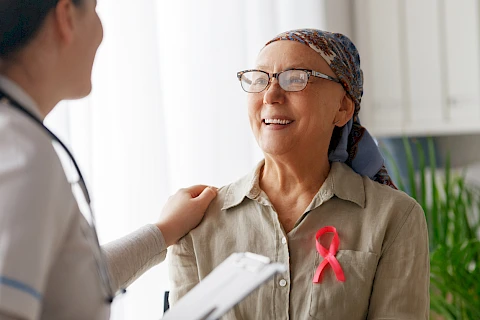
Recovering from breast cancer treatment at 72 can be different from recovery at 45. Seniors may need more time to regain strength while managing other health conditions, and friends may assume life has returned to normal. This article explores breast cancer in senior women, offering practical tips for rebuilding daily routines, managing lingering worries, and finding support groups where survivors can connect with others who understand their experiences.
Rebuilding a Daily Rhythm
Breast cancer treatment can take over a senior woman's daily schedule. Once treatment ends, many women may feel unsure of how to spend their time. Setting one regular activity each day, such as a morning walk before the weather gets too warm or a weekly lunch with a neighbor, can help restore a sense of routine.
Rest is also an important part of recovery. Energy may return gradually, so a good day can be followed by one spent resting at home. Seniors can plan longer outings for mornings, when they may feel stronger, and allow themselves to cancel plans without guilt. Understanding these changes is an important part of supporting senior women recovering from breast cancer.
Watching for Changes in the Body
Senior women recovering from breast cancer surgery or radiation may notice changes in their bodies as they heal. However, certain symptoms need medical attention, including new swelling in the arm or hand on the treated side, a new lump, persistent pain, or skin changes near the surgery site. When seniors are unsure whether a symptom needs attention, they should contact their care team for guidance.
Follow-up visits and imaging may continue for years, so survivors should ask their doctors how often they need these appointments and mark the dates on a calendar. Seniors managing other conditions, such as diabetes or heart disease, should also keep their primary care doctors informed to help coordinate medications and appointments.
Living With the Worry
Fear of recurrence is common among senior women after breast cancer treatment. Worry may grow before a scan, near the date of diagnosis, or on a quiet evening for no clear reason. Some survivors call this feeling “scanxiety,” and having a word for it can make the experience easier to understand.
Seniors cope with these feelings in different ways. Some find comfort in prayer or personal reflection, while others reach out to a trusted friend, even late at night. If worry or low mood begins to affect sleep, appetite, or favorite activities, survivors should talk with a doctor or licensed mental health professional. Emotional support is an important part of recovery and care.
Where Survivors Find Each Other
For national support, Susan G. Komen offers information and resources for senior women living with breast cancer and their families. The National Breast Cancer Foundation also provides educational materials and support programs for survivors.
Support is an important part of recovery from breast cancer. Survivors can ask their cancer care team about support groups and gentle exercise classes available through local hospitals. Places of worship may also offer informal support groups. Connecting with a friend who has been through treatment can provide comfort and help seniors feel less alone during recovery.
Discover Personalized In-Home Care From Senior Helpers
Some days, a survivor may need a ride to an imaging appointment. On other days, they may want someone to share a cup of coffee with. Senior Helpers Northeast Broward County provides companionship, transportation to follow-up visits, errands, light housekeeping, and medication reminders for older adults in Pompano Beach, Fort Lauderdale, and Deerfield Beach. We'll listen to seniors' needs and provide support that fits their daily routines. Contact us to learn more about our in-home care services for seniors.