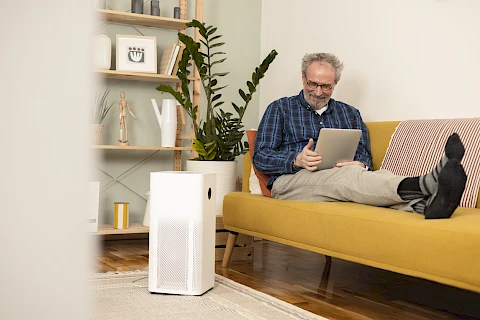
Seasonal allergies can be more than just an inconvenience! The changing seasons can bring discomfort, from sneezing and congestion to itchy eyes and sinus pressure. Effectively managing these allergies is essential for maintaining overall health and well-being. Let's explore practical strategies to help seniors manage seasonal allergies with proactive care.
How Seasonal Allergies Affect Seniors
Seasonal allergies occur when the immune system reacts to certain environmental triggers, such as pollen, mold, or dust mites. For seniors, the most common allergens include tree pollen, grasses, weeds during the spring and summer months, and mold and dust mites in humid areas. As the immune system changes with age, allergies can become more pronounced, making it essential to understand these triggers and how they impact well-being.
Recognizing Allergy Symptoms
Allergy symptoms can vary, but seniors should be particularly mindful of the following:
- Sneezing
- A runny or stuffy nose
- Itchy or watery eyes
- Sinus pressure that causes headaches
In some cases, allergies can also cause coughing, shortness of breath, or even skin irritation, which may complicate existing health conditions. Fatigue and general discomfort are also common, especially during peak allergy seasons. Keeping track of symptom patterns can help identify specific allergens and deal with symptoms more effectively.
If these symptoms persist or seem severe, seek medical advice. Accurate diagnosis helps ensure the right treatment plan is in place, which can significantly improve symptom management.
Treatment Options for Seniors
Managing allergies often requires a mix of treatments. Over-the-counter medications like antihistamines and decongestants can be effective, but you should use them with caution. Seniors should consult their doctor to ensure these medications don't interfere with existing prescriptions. A healthcare provider might suggest stronger or alternative medications tailored to a senior's health profile. Some seniors find relief using natural approaches such as saline nasal rinses or local honey. However, effectiveness can vary, and discussing these options with a healthcare professional is wise.
Reducing Allergen Exposure at Home
Reducing exposure to allergens is one of the most practical ways to manage symptoms. Keeping the home environment clean is crucial. Dust and vacuum regularly to minimize dust mites, and consider using air purifiers to maintain clean indoor air. Change air filters frequently and use dehumidifiers to keep moisture levels low, preventing mold growth.
When spending time outdoors, take precautions to reduce pollen exposure. Opt for outdoor activities in the early morning or after rainfall when pollen levels are lower. Wearing masks and sunglasses can help filter out allergens. After coming inside, change clothes and shower to remove pollen.
Looking for Allergy Management Support?
Managing seasonal allergies requires knowledge and proactive steps. Seniors can enjoy better health throughout allergy season by understanding allergens, recognizing symptoms early, and using effective treatments. If allergies affect your quality of life, don't hesitate to seek advice from healthcare professionals.
If you need help managing allergies this season, contact us at Senior Helpers Northeast Broward County. We proudly serve Pompano Beach, Fort Lauderdale, and Deerfield Beach. Our team can help you implement allergy-management practices in your home so you breathe easier and feel better.