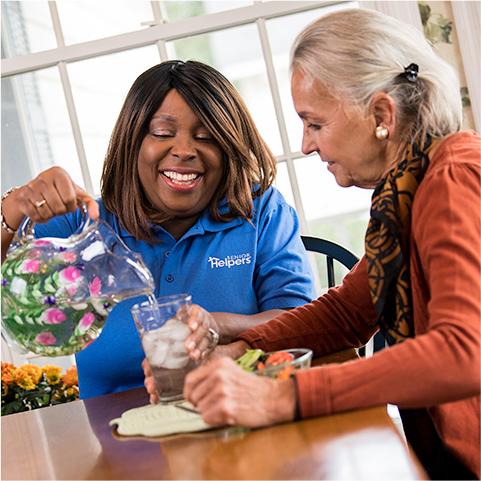
Elderly care includes options as light as a few hours of help a week at home and as intensive as around-the-clock care in a nursing home. The right choice depends on how much help a senior needs and where they want to live. Most older adults say they want to stay in their own homes as long as possible, and in-home care is often what makes that realistic. Understanding the main types of senior care helps families match support to real needs instead of making a rushed decision after a fall or hospital stay.
The Main Types of Care for the Elderly
Companion care provides company and help with everyday tasks like light housekeeping, meal preparation, errands, and rides to appointments. It suits seniors who are mostly independent but lonely or starting to need a hand.
Personal care adds hands-on help with daily activities like bathing, dressing, grooming, toileting, and moving safely around the home.
Respite care gives family caregivers a break for a few hours or several days while a trained caregiver steps in.
Specialized care supports seniors with conditions like Alzheimer's disease, dementia, Parkinson's disease, or other chronic illnesses, with caregivers trained in their specific needs.
Assisted living combines housing, meals, and personal care in a residential community for seniors who need daily help but not constant medical care.
Nursing homes provide 24-hour skilled nursing care and supervision for people with serious medical needs.
Why Elderly Care Matters
Many seniors reach a point where living alone becomes risky. Falls, missed medications, poor nutrition, and isolation can all lead to declining health and hospital visits. The right care helps seniors stay safe and healthy, gives families confidence that their loved one is looked after, and lets older adults keep as much independence as possible.
The Benefits of In-Home Care
In-home care lets seniors stay in a familiar place, surrounded by their own belongings, neighbors, and routines. That familiarity can be especially calming for people with dementia. Care is one-on-one and built around each person's schedule and preferences, and families can start small, with a few hours a week, and add more as needs change.
Regular visits from a caregiver also provide companionship, which matters for health. Loneliness in older adults is linked to higher risks of depression, heart disease, and cognitive decline. A caregiver who notices changes in appetite, mood, or mobility can alert the family early, before small problems become emergencies.
In-Home Care vs. Assisted Living
In-home care keeps a senior at home with support that can be a few hours a week or around the clock. Assisted living requires a move but provides meals, activities, and staff on site. For many families, part-time in-home care costs less than assisted living, while full-time 24-hour care at home often costs more. The senior care at home vs. facility post covers the differences in more detail.
What Medicare Pays for In-Home Elder Care
Medicare covers part-time skilled home health care, such as nursing or therapy, for people who qualify, but it doesn't pay for non-medical help like bathing, meals, and companionship when that's the only care someone needs. Families often pay for that care privately, through long-term care insurance, or with VA benefits for eligible veterans and surviving spouses.
Signs a Senior May Need Care
Watch for frequent falls, weight loss or an empty refrigerator, missed medications, unopened mail and unpaid bills, declining hygiene, a messy home, confusion, or withdrawal from friends and activities. Any of these is a sign it's time to talk about support.
In-Home Care in Jacksonville
Senior Helpers Jacksonville helps seniors stay independent at home with companion care, personal care, respite care, and Alzheimer's and dementia care, with care plans built around each person's needs. Contact Senior Helpers Jacksonville to schedule an in-home assessment.