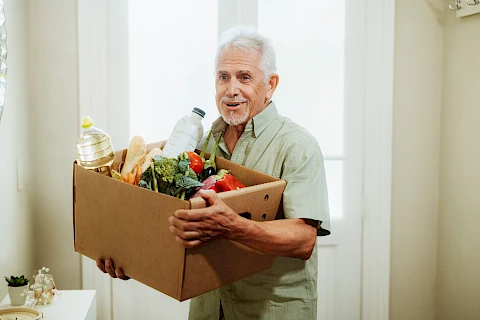
Proper food storage helps maintain food safety and reduce waste. Our immune systems can become less resilient as we age, making us more susceptible to foodborne illnesses. Learning how to store food correctly helps seniors ensure their meals are safe and long-lasting. This assists in reducing household waste and keeps your kitchen running smoothly.
Optimal Storage Conditions
Keeping different food items in top condition is necessary for maintaining quality and safety. Setting the temperature at or below 40°F and the freezer's temperature at 0°F is ideal for your refrigerator. This helps slow down the growth of bacteria and keep food fresh. Humidity levels are also significant. For the pantry, a cool, dark, and dry place is ideal to prolong the shelf life of dry goods like cereals, pasta, and canned foods.
Understanding labels is another integral part of food storage. "Best by" dates indicate when the product is at its peak quality, while expiration dates are concerned with safety. Always take a moment to read and respect these labels. When storing different foods, keep fruits and vegetables in separate drawers in your fridge to keep them fresh longer. Meat and dairy products should be stored on the lowest shelves to avoid potential drips contaminating other food. Dry goods should be kept in airtight containers to prevent pests and moisture from getting in.
Organizing the Refrigerator and Pantry
An organized kitchen is a safe kitchen. Arrange your fridge and pantry so you can easily see what you have. Keeping items in clear containers can help remind you of what needs to be used before they spoil. Label and date leftovers and opened packages so you can track their freshness. This practice is simple but can make a big difference in avoiding spoilage.
Always remember to separate raw meats from cooked foods to prevent cross-contamination, which can lead to foodborne illnesses. Keep raw meat on a tray or in its packaging on the bottom shelf to catch any leaks.
Tips for Reducing Food Waste
Reducing food waste starts with thoughtful meal planning. Planning meals for the week can help you buy only what you need, saving money while also reducing the chance of forgetting about items that go unused.
Using leftovers creatively is another excellent way to prevent waste. For example, leftover chicken can become a tasty salad or sandwich filling. If food waste is unavoidable, consider composting. It's an eco-friendly way to deal with scraps and can provide nutrient-rich soil for any gardening you enjoy.
Connecting Proper Storage with Food Safety
Proper storage is one great defense against foodborne illnesses. Storing food correctly means fewer risks of spoilage and contamination. Common mistakes include leaving food out too long before refrigerating it or not sealing packages properly. These habits can lead to dangerous spoilage.
Remember to regularly clean your fridge and pantry to avoid the build-up of bacteria and mold. A clean storage area is safer, ensuring the food you enjoy doesn't become a health risk.
Seek Personalized Assistance in Jacksonville
Proper food storage is a predominant factor in reducing waste and enhancing safety for seniors. Following these tips can help maintain nutritious and fresh meals while minimizing waste. These practices can promote a healthy and waste-free lifestyle with little effort. For more personalized assistance with senior care and food management in Arlington, Jacksonville, Mandarin, and surrounding areas, contact us at Senior Helpers Jacksonville today. Let's work together to keep your kitchen safe and efficient!