Insulin starts losing strength above 86°F, and a Jacksonville summer can push a parked car, a mailbox, or a house without power well past that in under an hour. Most insulin can safely stay out of the refrigerator for about 28 days at room temperature, but heat, direct sun, and freezing can all ruin it. Hurricane season, which runs from June through November, adds another risk: losing refrigeration for days at a time. Planning keeps insulin and other heat-sensitive medications working when Florida weather doesn't cooperate.
How Long Can Insulin Be Out of the Fridge?
Unopened insulin should be stored in the refrigerator between 36°F and 46°F, and it stays good until the expiration date printed on the box. Once a vial or pen is opened, most insulins can be kept at room temperature for about 28 days, though some last longer or shorter. Check the package insert for the specific product.
During an emergency like a hurricane, the FDA says insulin can be left unrefrigerated between 59°F and 86°F for up to 28 days and still be used if needed, as long as it's kept as cool as possible and out of direct heat and sunlight. Replace it once normal refrigeration is available again.
At What Temperature Is Insulin Ruined?
Insulin gets weaker the longer it sits above 86°F. It doesn't spoil all at once, but heat steadily reduces its potency, which means it may not lower blood sugar the way it should. Freezing is just as damaging, so insulin that has frozen should be thrown out even after it thaws.
Damaged insulin usually doesn't make people sick on its own. The risk is that it stops working, which can lead to high blood sugar. Signs that insulin may be damaged include clumps, crystals, frosting on the vial, or cloudiness in insulin that's normally clear. If blood sugar runs unexpectedly high after heat exposure, switch to a new vial or pen and call the doctor.
Storing Insulin and Medications at Home in Florida
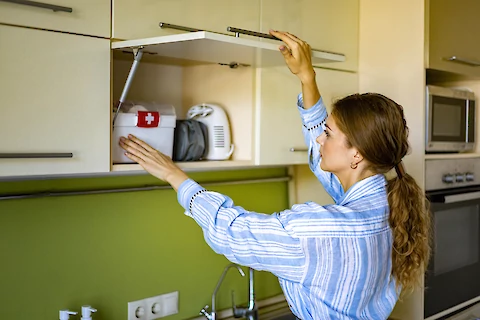
Keep medications in the coolest, driest part of the house, away from windows, stoves, and dishwashers. Bathrooms are a poor choice because showers create heat and humidity. A bedroom drawer or a closet in an air-conditioned room works better.
In the refrigerator, store insulin and other refrigerated medications on a middle shelf, away from the back wall and freezer vent, where items can freeze. A small container keeps them separate from food and easy to grab in an emergency.
Many seniors get prescriptions by mail. In Jacksonville's summer heat, a package left in a mailbox or on a sunny porch can overheat in a short time, so bring deliveries inside as soon as they arrive and ask the pharmacy about cold-pack shipping for insulin.
How to Store Insulin Without Refrigeration
When the power goes out, several options keep insulin cool. A cooler with ice packs works for short outages, as long as the insulin is wrapped in a towel or sealed bag so it never touches the ice. Evaporative cooling cases, which activate by soaking in water, keep insulin pens and vials cool for a day or more without ice or power and are useful to have on hand before a storm. A refrigerator that stays closed will hold its temperature for about four hours, so avoid opening it while the power is out.
Building a Hurricane Medication Plan
Planning ahead makes the biggest difference. Before each hurricane season, put together a medication kit with:
- At least a two-week supply of every prescription, including insulin and testing supplies
- An insulated bag, ice packs, and an evaporative cooling case
- A current list of medications, doses, and prescribing doctors
- Copies of insurance and pharmacy cards
- Extra glucose meter batteries, pen needles, and syringes
When the governor declares a state of emergency, Florida law allows pharmacies to refill many prescriptions early, so seniors can stock up as a storm approaches. If evacuation is likely, pack medications in a carry-on bag that stays with the senior, never in the trunk.
Other Medications Sensitive to Florida Heat
Insulin isn't the only medication that heat can damage. Nitroglycerin, thyroid medication, epinephrine auto-injectors, inhalers, eye drops, liquid antibiotics, and blood glucose test strips are all sensitive to high temperatures. On beach days and car trips, carry these in an insulated pouch, and never leave them in a parked car.
Medication Support at Home in Jacksonville
Keeping insulin at the right temperature, refills on schedule, and doses on time is a lot to manage, especially during hurricane season. Senior Helpers Jacksonville chronic disease care caregivers support seniors managing diabetes with medication reminders and daily routines, and personal care and 24-hour home care provide extra help when storms disrupt normal life. Contact Senior Helpers Jacksonville to learn more.