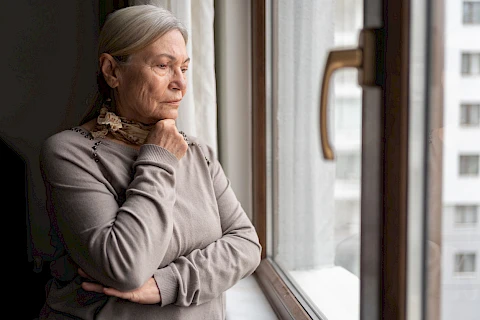
Staying connected with others can become more difficult as life changes with age. Losing a spouse, giving up driving, or seeing friends less often may mean fewer conversations and social activities. Senior Helpers explores practical ways older adults can reduce social isolation and make more room for meaningful connections.
Recognizing the Effects of Social Isolation
Spending time alone isn't necessarily a problem. Many people enjoy their own company and need time to themselves. The concern is when contact with others becomes less frequent over time, and you begin to feel disconnected from the people around you. Loneliness and isolation can affect a senior’s physical and mental health.
Changes in your daily routine may also be worth noticing. Perhaps you're skipping meals, sleeping at unusual hours, or turning down invitations more often. You might stop returning calls because keeping up with conversations feels like too much effort. If sadness or worry persists, talk with your doctor about what you're experiencing.
Have Regular Plans with Other People
Having something scheduled each week can make it easier to maintain social contact. Consider choosing one or two activities you enjoy, such as a library visit, a church gathering, a weekly lunch with a friend, or a regular card game. Put these plans on your calendar and let someone know you're coming. If you're not sure what to try, volunteering, taking a class, or joining a hobby group can introduce you to people with similar interests.
Make Everyday Conversations Count
Staying in touch doesn't always require an outing or a formal plan. A short phone call to a relative, a conversation with a neighbor, or a friendly chat while running errands can provide opportunities for social interaction. Sending a text or sharing a photo with a friend is another simple way to keep in contact and prevent social isolation.
Technology can make communication easier when family and friends live farther away. Video calls let you see one another, and local libraries or community centers may offer basic instruction if you're unfamiliar with smartphones or tablets.
Finding Transportation When Driving Isn't an Option
Giving up driving can make social isolation harder to address when it also limits access to familiar activities, friends, and community gatherings. Ask friends or family about sharing rides, check whether a nearby senior center offers transportation, or look into local community transportation programs. You can also make outings easier to arrange by combining errands with social visits.
When transportation becomes a regular concern, planning can make it easier to keep appointments and social commitments. Look into available options before you need a ride. Having a few reliable ways to get around can make it easier to maintain familiar routines and spend time with others.
Everyday Support for More Social Connection
Regular company can make a difference when family and friends aren't always available. Senior Helpers Gainesville offers companionship, transportation, assistance with everyday activities for older adults, and more. We tailor our in-home care services in Alachua, Archer, Bell, Bronson, and Cedar Key to the specific needs and preferences of the seniors in our care. Contact us today to learn more about how we can help.