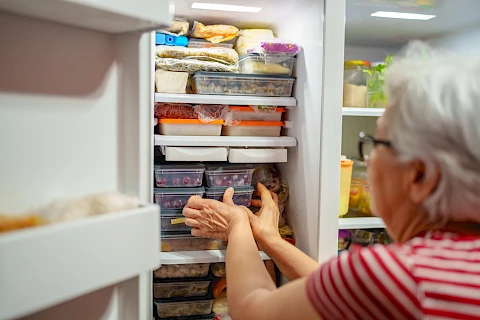
Practicing good food safety habits helps prevent illness and supports overall well-being. As people get older, their bodies may become more sensitive to foodborne bacteria, so storing, handling, and preparing food properly becomes even more important. Understanding the basics of food safety can go a long way toward staying healthy, whether cooking dinner at home tonight or storing food for a later date.
What's the Right Way to Store Food?
Storing food correctly is the first step in ensuring safety. The fridge and freezer are your best allies. They help preserve food and prevent harmful bacteria from growing.
Refrigerate perishables promptly. Ensure your fridge is set at 40°F or lower and the freezer at 0°F. Arrange items so air circulates well. Keep raw meat on the bottom shelf to avoid drips contaminating other foods. Unopened pantry items like pasta or canned goods are safe at room temperature. However, once opened, check labels for storage instructions.
Leftovers should be stored within two hours of cooking. Use air-tight containers and label them with the date. Remember, most leftovers should be consumed within 3-4 days.
Safe Cooking Temperatures
Cooking food at the right temperature kills harmful bacteria. This is crucial for preventing foodborne illnesses.
Always use a food thermometer to check internal temperatures. Poultry should reach 165°F, while beef, pork, and lamb are safe at 145°F, followed by a rest time. Ground meats need to reach at least 160°F, and leftovers should be reheated to 165°F. Insert the thermometer into the thickest part without touching the bone for accurate readings.
Recognizing Spoiled Food
Identifying spoiled food can prevent health risks. Perishable foods that look or smell off should be discarded.
Fruits and vegetables show spoilage by becoming mushy or developing spots. For meats, a sour odor or slimy texture signals they should be thrown out. Dairy often smells sour or tastes off when it is bad. "Use by" and "sell by" dates provide guidance on freshness. Always prioritize safety over thriftiness when in doubt. Dispose of spoiled food in a sealed bag to avoid attracting pests.
Tips for Safe Grocery Shopping
Smart shopping is the first step to ensuring you bring home safe foods. Choose fresh and intact produce. Pay attention to sell-by dates on dairy and meat. When possible, select refrigerated or frozen items last to limit time out of cold storage.
Inspect poultry, meat, and seafood packaging for leaks. Avoid items that are past their freshness date. In the car, keep perishable items in a cooler or insulated bag to maintain their temperature until home.
Meal Preparation Safety
Maintaining a clean and safe kitchen environment is crucial. Start by washing your hands with soap for at least 20 seconds before handling food.
Use separate cutting boards for raw meats and produce to avoid cross-contamination. Regularly sanitize surfaces and utensils. Ensure sponges and dishcloths are clean since they can harbor bacteria.
When preparing meals, be mindful of cross-contact. This happens when allergens like nuts or dairy touch other foods. Use clean utensils and wash your hands when switching between tasks.
Practice Good Food Safety Every Day
By practicing proper storage, cooking, and handling methods, you can significantly reduce the risk of foodborne illness. If you'd like more help with at-home care, including more food safety tips, contact us at Senior Helpers Fort Myers Cape Coral.
We proudly serve North Fort Myers, Lehigh Acres, Punta Gorda, Sanibel, and Captiva. We can help you prioritize your health with personalized guidance and support.