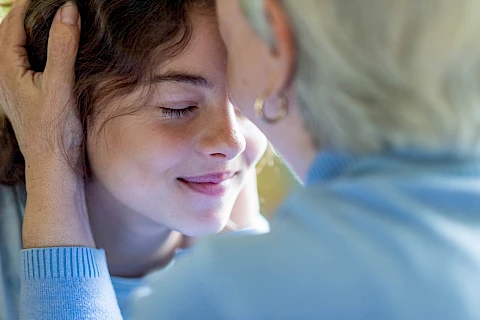
When a parent with dementia doesn't recognize you, the kindest response is usually to stay calm, introduce yourself gently, and avoid correcting or quizzing them. Not recognizing family most often happens in the middle to later stages of Alzheimer's disease and other forms of dementia, and it can come and go between visits. It's one of the most painful moments in caregiving, and how you respond, and how you care for yourself afterward, both matter.
Why People With Dementia Stop Recognizing Family
Dementia damages the parts of the brain that store memories and recognize faces. As the disease progresses, a person may lose more recent memories first, so they might remember their child as a young boy or girl but not recognize the adult standing in front of them. Some people mistake a daughter for a sister or a son for a husband, because the face matches an older memory.
Less often, a person may believe a familiar family member is an impostor who looks the same. This is called Capgras syndrome, and it's more common in Lewy body dementia and Alzheimer's disease. It can be very upsetting for families, and a doctor should know if it happens.
What Stage of Dementia Is Not Recognizing Family
Trouble recognizing close family members usually appears in the middle to late stages of dementia, often several years after diagnosis. It's rarely sudden or permanent at first. A parent may recognize you clearly on one visit and not the next, or recognize your voice but not your face. Fatigue, illness, infections, new medications, and unfamiliar surroundings can all make recognition worse temporarily. A sudden change is worth reporting to the doctor, since it may have a treatable cause like a urinary tract infection.
What to Say When a Parent Doesn't Recognize You
Introduce yourself in a warm, simple way when you arrive, such as, "Hi Mom, it's Sarah, your daughter." Saying your name and relationship up front saves your parent the stress of trying to figure it out. If they still don't recognize you, avoid asking, "Don't you know who I am?" Quizzing a person with dementia often causes embarrassment or agitation.
Correcting them repeatedly rarely helps either. If your parent believes you're a friend or a neighbor, it's usually fine to go along with it and enjoy the visit. Focus on how they feel rather than whether they have the facts right. A calm tone, a gentle touch, and a smile communicate comfort even when names don't land.
Shared activities often reconnect people better than conversation. Looking through old photos, playing favorite music, folding laundry together, or taking a short walk can bring out moments of warmth and familiarity.
Coping With the Emotional Impact
Feelings of grief, sadness, and even anger are normal when a parent no longer recognizes you. Many caregivers describe it as grieving someone who is still alive. Remind yourself that the disease is causing the change, not a loss of love. Many people with dementia still respond to familiar voices, touch, and presence long after names fade.
Taking care of yourself makes it possible to keep showing up. Regular physical activity like walking, yoga, or gardening improves mood and energy. Simple practices like meditation, getting enough sleep, eating well, and making time for a favorite hobby or show help manage stress. Talking with friends, a counselor, or other caregivers who understand can ease the weight of it.
When a Person With Dementia Should Stop Living Alone
As recognition and memory decline, safety at home becomes a bigger concern. Warning signs that a parent can no longer safely live alone include wandering or getting lost, leaving the stove on, missing medications, unpaid bills, poor hygiene, weight loss, and falls. When these signs appear, in-home care can add support while letting your parent stay in familiar surroundings, which often helps reduce confusion.
Dementia Care at Home in South Broward County
Caring for a parent who doesn't always recognize you is exhausting, and professional help can give the whole family room to breathe. Senior Helpers Broward County Alzheimer's and dementia care caregivers are trained to support people with memory loss with patience and consistent routines, and respite care gives family caregivers time to rest and recharge. Senior Helpers Broward County serves South Broward County. Contact Senior Helpers Broward County to learn more.