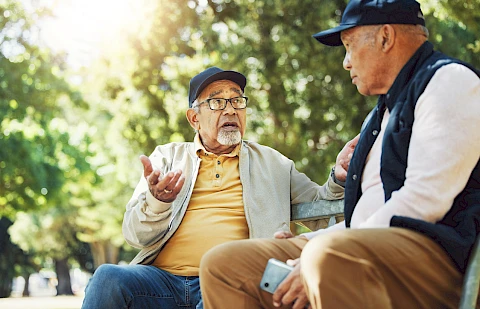
Isolation is a common issue faced by many senior veterans. After spending years in the company of fellow service members, transitioning to civilian life can sometimes lead to feelings of loneliness. Social connections are vital for maintaining mental and emotional well-being, especially for those who have served in the military. Helping senior veterans stay socially engaged can make a significant difference in helping them thrive in their golden years.
Isolation in Senior Veterans
Senior veterans may feel isolated for various reasons. Some might be dealing with physical disabilities or health issues that make it hard to leave their homes. Others may have lost close friends or family, leading to a shrinking social circle. In some cases, veterans may feel like others cannot relate to their experiences, making it difficult to form new friendships.
Isolation can have serious impacts on health, including depression, anxiety, and even a decline in physical health. Understanding these factors is essential to finding ways to combat isolation and improve the quality of life for senior veterans.
Engaging Activities for Social Connections
One way to reduce isolation is through group activities that cater to veterans. Consider organizing book clubs or hobby groups where veterans can share interests and experiences. These activities are great for providing a sense of belonging and purpose. They also offer opportunities for meaningful conversations and new friendships.
Physical activities are another excellent way to promote social connections. Walking clubs or yoga classes are excellent for maintaining physical health and meeting new people. For those who may not be able to leave home, technology can be a lifeline. Video calls and social media platforms allow veterans to connect with family and friends, bridging the gap created by distance.
Utilizing Veteran-Specific Community Resources
Many communities have organizations dedicated to supporting veterans. Local veteran organizations and support groups provide a space where veterans can meet others with similar backgrounds. These groups often host events and meet-ups that encourage camaraderie and friendship. Online platforms and forums also serve as valuable resources. Veterans can join discussions or participate in virtual meet-ups, which are especially helpful for those with mobility issues.
Encouraging Sharing of Experiences
Sharing stories and experiences can be a powerful way for veterans to connect. Storytelling allows veterans to reflect on their past and find common ground with others. Organizing storytelling sessions or veteran memoir writing groups can be an excellent way for veterans to share their experiences in a supportive environment.
Peer support is another effective tool in fostering connections. Veterans who share similar experiences can offer understanding and encouragement, helping to build a sense of community and belonging.
Senior Helpers Can Provide Companionship for Veterans
Combating isolation among senior veterans requires a proactive approach. Caregivers can facilitate social connections through engaging activities, utilizing veteran-specific resources, and encouraging the sharing of experiences. If you could use more support in caring for a senior veteran at home, including caring companionship and conversation, help with daily living tasks, and more, Senior Helpers Northern Delaware is here for you. Contact us today to learn more about our senior care services in Newark, Wilmington, Bear, or New Castle County.