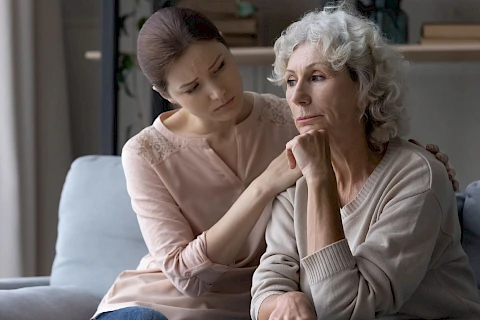
Your mom used to call every Sunday. Now the calls are shorter, she's skipped her card group twice, and she insists she's fine. Her voice sounds flat by the end. Loneliness in an older parent can be hard to name and harder to address, and most caregivers have no idea where to turn first. Knowing where to find mental health resources on loneliness can give caregivers a clearer place to begin, from a doctor's visit to counseling or community programs. Senior Helpers can complement those resources with companionship and transportation when your parent needs more regular connection during the week.
Her Doctor Is the Best First Call
Her doctor knows her history best. A primary care doctor can look at her low mood, poor sleep, and pulling away from friends, then check for a medical cause, a medication side effect, or depression. Loneliness and depression often overlap.
If you attend the appointment, bring a short list of what you've noticed, such as missed outings, changes in appetite, or less interest in family visits. Details like these can give the doctor a fuller picture of what has changed.
Licensed Counselors and Therapists
Talk therapy can help an older adult work through grief, a move, retirement, or the loss of a spouse, all common roots of isolation. Psychologists, licensed clinical social workers, and licensed professional counselors all see older clients, and some offer video sessions for people who no longer drive.
Mental health resources on loneliness can support caregivers, too. National Alliance on Mental Illness (NAMI) offers a Family Caregiver HelpLine where trained specialists provide information and support. Its Family-to-Family program is also available for relatives and friends of people living with mental health conditions.
Community Programs That Put People Back in the Room
Some loneliness eases with plain, regular contact. Senior centers, church groups, and library programs can add structure to the week. The National Institute on Aging has a helpful overview of how isolation affects health and what kinds of connection tend to help.
Around Castle Rock and Parker, check recreation district calendars and the nearest library branch for daytime groups like chair yoga, bridge, or a knitting circle. Aurora has its own senior programs. If she used to love one of those activities, sign her up for that one first and offer to drive her the first couple of times, since walking into a room of strangers alone is often the hardest part.
Mental Health Resources on Loneliness for Hard Days
Most lonely seniors are not in any danger. You should still know what to do if she ever talks about not wanting to be here, or if her sadness turns into hopelessness that doesn't lift.
The 988 Suicide & Crisis Lifeline is available 24/7 by call, text, or chat, including for people who are worried about someone they care about. Put the number in your phone now so you aren't searching for it later.
Daily worry wears caregivers down. Your own doctor, a caregiver support group, or a counselor can give you a place to talk it through, and you'll probably have more patience with her after an hour spent on your own worries.
Everyday Company in Castle Rock, Parker, and Aurora
Senior Helpers Castle Rock and Parker offers caregivers who provide conversation, rides to the senior center or a doctor's visit, help around the house, and a friendly face on a regular schedule. We work with families across Castle Rock, Parker, and Aurora who want their parent to feel less alone at home. Contact us to talk about what kind of visits might help your family.