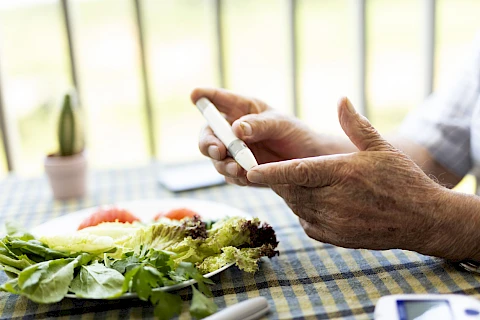
Managing diabetes presents unique challenges for seniors, and nutrition is a key factor. Blood sugar control can become more complex, making dietary guidance especially helpful. This blog offers practical nutritional advice to support seniors in managing diabetes through mindful eating and informed choices.
The Connection Between Diabetes and Nutrition
Diabetesis a condition in which the body either doesn't produce enough insulin or cannot use it effectively, leading to high blood sugar levels. If not managed well, this can lead to complications for seniors. Nutrition affects how blood sugar is managed, and recognizing how food influences health can lead to better daily decisions.
Meal Planning Tips
You need balanced meals to manage diabetes. These meals should include selections from all the food groups. Start your day with whole grains, such as oatmeal, paired with a protein source like eggs or a small serving of nuts. For lunch, opt for a salad featuring a variety of colorful vegetables, lean protein such as grilled chicken or beans, and whole grains like quinoa. A balanced dinner plate featuring a portion of fish or tofu, steamed vegetables, and a serving of whole-grain rice is filling and nutritious. Include a variety of fruits, vegetables, lean proteins, and whole grains to keep meals balanced and satisfying.
Snack Ideas for Diabetic Seniors
Healthy snacks can help maintain energy levels between meals. Portion control is crucial to avoid blood sugar spikes. Some simple snack ideas include a handful of almonds or walnuts, carrot sticks with hummus, or a small apple with peanut butter. You can easily prepare these snacks to help keep blood sugar levels stabilized without overindulging.
Reading Food Labels
Learning to read nutrition labels supports smart food choices. Look for the carbohydrates section to manage your intake, opt for snacks and meals low in added sugars, and choose high-fiber foods that help slow the absorption of sugar. Recognizing these elements helps make informed food choices every day.
Consistent Carbohydrate Intake
Keeping carbohydrate intake steady is useful for managing diabetes. This involves counting carbohydrates and distributing them evenly throughout the day, which prevents large swings in blood sugar levels. Include carbohydrate-rich foods, such as whole grains, fruits, and vegetables, in your daily diet. Spacing them evenly across meals helps maintain steady sugar levels.
Portion Control Strategies
Portion control helps manage blood sugar. Larger portions may lead to increased sugar levels, so it's necessary to use strategies to control portion sizes. Use smaller plates to trick your mind into feeling satisfied with less. Divide your plate visually into three sections: half with vegetables, a quarter with protein, and a quarter with carbohydrates. Learn to estimate portion sizes using your hand or specific household items. Tools like measuring cups and food scales are helpful when learning proper nutrition management.
Get Help With Diabetes Management
Managing diabetes in seniors is a team effort, and the vital points revolve around balanced meals, portion control, and understanding nutrition labels for successful daily management. If you reside in San Luis Obispo, Santa Maria, Atascadero, Paso Robles, or Arroyo Grande and seek personalized support for your senior family member,contact usat Senior Helpers San Luis Obispo County. We would love to discuss our services for seniors and their caregivers, such as Personal Care and Companion Care.