Diabetes affects millions around the world, with older adults being among those most impacted. As people grow older, managing this condition can require adjustments tailored to their needs. Diabetes in seniors may present differently and respond to treatments in less predictable ways, which makes day-to-day care especially meaningful. Recognizing signs early and establishing steady habits can support a more stable experience with the condition.
Recognizing Diabetes in Seniors
Spotting early signs of diabetes allows for timely management. Older adults may experience frequent urination, unexplained weight changes, ongoing fatigue, or blurred vision. While these symptoms can sometimes be mistaken for other age-related changes, they deserve attention. Family members and caregivers can help by observing daily routines and encouraging medical check-ups if changes appear. Early identification makes it easier to stabilize health and avoid more complex issues later on.
The Need for Blood Sugar Monitoring
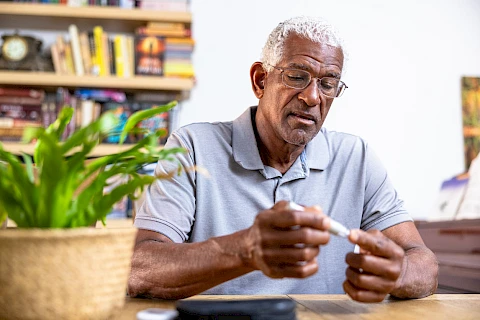
Routine blood sugar checks are part of staying steady with diabetes. These readings help gauge how meals, medication, and activity levels are affecting the body. Seniors who manage this regularly often feel more in control of their health. Keeping a written or digital log of readings makes it easier for healthcare providers to offer tailored advice. Support from caregivers—whether through reminders or hands-on help—can make this part of the day feel less stressful and more consistent.
Importance of a Balanced Diet
A well-balanced diet is required to manage diabetes effectively. Seniors should focus on consuming nutrient-rich foods that help control blood sugar. These cnutrients includes plenty of vegetables, lean proteins, and whole grains. Reducing processed foods and foods high in sugar can greatly benefit blood sugar levels.
Planning meals ahead of time guarantees that seniors get the nutrients they need while maintaining consistent blood sugar levels. Caregivers can assist by helping seniors shop for fresh ingredients and preparing meals that match both nutritional goals and personal preferences.
Exercise and Physical Activity
Exercise benefits everyone, but it's particularly effective for those managing diabetes. Regular physical activity helps control blood sugar levels, boost energy, and improve mood. Seniors should aim for aerobic exercises, like walking or swimming, and strength training activities.
Finding enjoyable and appropriate exercises for varying levels of mobility is critical. Encouragement from family members and caregivers can make it easier for seniors to incorporate fitness into their daily routine. Activities like dancing, gardening, or even gentle yoga are enjoyable and beneficial.
The Value of Routine Health Visits
Ongoing appointments with healthcare professionals help monitor changes and adjust care plans. These visits also offer a chance to catch any complications that may develop. Regular discussions with medical providers create a path toward more personalized care. In some cases, care plans may need only small adjustments, while others may call for more support. Staying in touch with healthcare teams builds a steady foundation for long-term management.
Get Valuable Suppport in San Luis Obispo County
Managing diabetes in seniors involves a holistic approach, combining diet, exercise, regular monitoring, and medical care. Addressing these factors will help seniors lead healthier, fuller lives even with diabetes. Families and caregivers are crucial in this journey, providing necessary support and encouragement.
Families in San Luis Obispo, Santa Maria, Atascadero, Paso Robles, and Arroyo Grande can connect with Senior Helpers San Luis Obispo for assistance with chronic condition support and daily care. Services include help with personal routines and chronic disease care tailored to the needs of each individual.