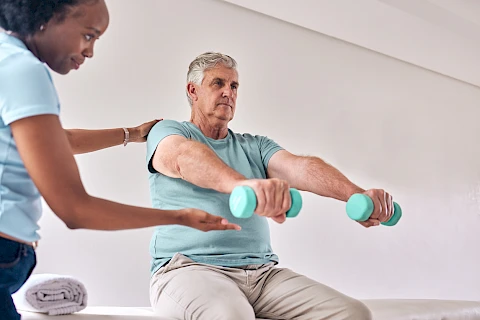
Parkinson’s disease is a progressive neurological condition that affects movement, coordination, and balance. Over time, simple daily activities may become more difficult. For seniors managing Parkinson’s, these symptoms can affect overall comfort and independence. Exercise for seniors with Parkinson’s, however, can offer a wide range of benefits, from improving mobility and strength to enhancing emotional well-being.
Consult Your Healthcare Provider
Before beginning any new exercise program, speak with your healthcare provider. Since Parkinson’s symptoms and progression differ from person to person, professional medical input ensures your plan matches your needs and capabilities. A personalized approach supports safety and encourages sustainable routines. Your doctor can help you decide which exercises to try and how to modify them. What works for one person may not suit another, so having a tailored strategy is helpful.
Benefits of Exercise for Seniors With Parkinson's
Physical activity can offer much more than improved movement. Regular exercise supports daily functioning and emotional health. For seniors with Parkinson’s, consistent activity may:
- Improve balance and coordination, which helps reduce the risk of falls
- Enhance flexibility, making it easier to complete everyday tasks
- Build strength and stamina, promoting greater independence
- Support mood and mental health, offering relief from depression or anxiety
Types of Exercises to Consider
A balanced exercise plan includes activities that improve stability, flexibility, strength, and cardiovascular health.
Balance-focused exercises, such as Tai Chi or standing on one foot, help improve coordination and reduce fall risks. These slow and controlled movements are especially beneficial for posture and movement control.
Flexibility exercises, such as gentle yoga or basic stretching, can improve range of motion and ease muscle stiffness. These routines can be adjusted to accommodate varying mobility levels.
Strength training using resistance bands or light weights can help reduce muscle weakness. This exercise supports everyday movement and can be done from a seated or standing position, depending on comfort.
Aerobic activities like walking, swimming, or cycling help maintain cardiovascular health. These low-impact workouts raise heart rate and support energy levels without placing stress on the joints.
Tips for Safe and Effective Exercise
Start slowly, especially if you're new to exercise or returning after a break. Gradually build up your endurance while paying attention to proper form to avoid injury. Rest when needed and never push through discomfort. It’s also helpful to choose activities you enjoy and, when possible, include a social element, such as walking with a friend or joining a class. Staying motivated is easier when movement feels enjoyable and purposeful.
For added guidance and peace of mind, many families also work with professional Parkinson’s care providers. This support can help ensure exercise is done safely, especially as symptoms evolve, and may include supervised movement routines, mobility assistance, and daily encouragement.
Staying Active With the Right Support
Exercise supports physical and emotional health for seniors navigating Parkinson’s. When paired with expert care, it can offer greater ease and peace of mind. If you or a loved one could benefit from extra help, Senior Helpers offers specialized care services tailored to individual needs. Our compassionate team serves San Luis Obispo, Santa Maria, Atascadero, Paso Robles, and Arroyo Grande with programs to support comfort, movement, and daily living. Contact us today to learn how our experienced caregivers can support you or your loved one on the journey with Parkinson’s.