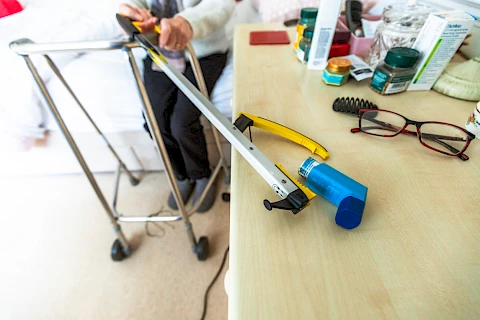
The right tool can take the fear out of daily hygiene for elderly loved ones. A grab bar, a shower chair, a long-handled sponge, or a wider-handled brush each solves a specific difficulty. Senior Helpers knows it’s best to fit the tool to the person, not to a general worry.
Begin With the Task That Causes Trouble
Consider trying one new item for a week to explore solutions that work for you. Discussing your choices with your parent can provide valuable insights. For instance, a long-handled sponge can simplify bathing, while a reacher helps grab towels from lower shelves. Tools like wide-handled brushes, easy-grip nail files, and electric razors can enhance daily tasks. Small changes can make a big difference!
Give the Bathroom More Room
Your loved one's bathroom may need more space or adaptive tools. Measure before ordering. A shower chair, raised toilet seat, and secure grab bars can help, but ensure they fit the space and person. The National Institute on Aging offers a helpful home safety checklist. Some items on the list suggest keeping bath products within reach and choosing non-slip mats. Also, medical supply shops let you compare handles and chair heights in person, which is helpful.
Make Dressing Easier on Sore Joints
Small fasteners can wear out sore fingers. Button hooks, zipper pulls, elastic laces, and hook-and-loop shoes can reduce the fiddly parts of getting dressed. Lay clothes out in the order they will go on.
Use a solid chair with arms rather than the bed edge, and keep shoes and laundry baskets off the floor. A long-handled shoehorn can spare a difficult bend. Start there.
Let the Person Set the Pace
Introducing new daily living aids goes much more smoothly when older adults are given control over how and when they use them. A patient approach combined with professional guidance helps ensure that practical adjustments actually improve comfort and safety.
Introduce Tools Gradually
Allow time for practice runs without any rush, listening carefully to reactions and adjusting setups so items like shower chairs feel comfortable.
Seek Occupational Therapy Input
Consult a healthcare provider for an occupational therapy assessment if a task becomes painful or unsafe. Families in Indio and Indian Wells can use this service to identify practical home modifications, such as fixing a bathroom door that sticks in humid weather.
Keep Items Accessible
Store new tools in consistent, easy-to-reach locations—like hanging a reacher by the closet or putting a shoehorn near a chair—so they can be retrieved and put away without bending or stretching overhead.
Gather Feedback and Adjust
Ask how items feel after a few uses to catch issues like pinching grips or bulky handles. Return non-functional items in favor of simpler, budget-friendly options that get daily use.
Practice Without Pressure
Sit nearby to walk through the tasks step by step, letting your parent decide which parts to handle independently. If a device causes frustration, set it aside until you can consult a professional for a better solution.
Senior Adaptive Tools Leave Room for Choice
Getting around and handling everyday tasks may become more difficult as loved ones age, but that does not mean they have to give up their independence. The right adaptive tools can make daily activities safer and easier while allowing older adults to continue doing things for themselves and making their own choices.
We can help seniors find the support that fits their needs, routines, and preferences. Contact us to learn how in-home care can help seniors maintain their independence in Coachella, Indian Wells, Indio, La Quinta, and Palm Desert.