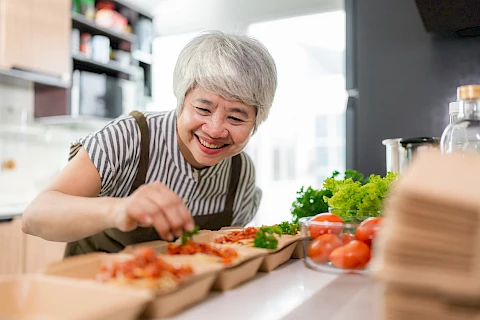
Northwest Arkansas kitchens run big in September. Sunday roasts, football-day chili, pot pies for cooler nights, and every family gathering brings leftovers home in aluminum trays. That is a gift, until it is not. September is Food Safety Education Month, and the second-day plate is where the real risk quietly lives. A few simple habits keep good food safe and keep you out of the hospital.
The Two-Hour Rule, No Exceptions
Cooked food sitting on a counter is a bacteria party after two hours at room temperature. If your kitchen is warmer than 90°F, that window shrinks to one hour. This is not a suggestion. It is where most home foodborne illness starts.
Once the meal is done, cover and refrigerate. Big pots do not need to cool on the counter first. Portion the leftovers into shallow containers so they cool faster. Two inches deep is a good target. The FoodSafety.gov leftovers guide is worth printing and taping to the fridge.
How Long Leftovers Actually Stay Good
The general rule is three to four days in the fridge and three to four months in the freezer. If you know you will not eat it within that window, freeze it on day one, not day three. Freezing at day three does not extend the fridge clock.
Containers That Do the Work for You
The best storage container is one you will actually use. Glass with tight lids beats a leaking plastic tub. Wide, shallow containers cool faster than deep, round bowls.
A few tips for efficiently organizing leftovers:
- Label containers with the cooked date. Masking tape and a marker work fine.
- Use containers that stack. If leftovers cannot be seen, they get forgotten.
- Keep a small stash of freezer-safe bags for single-serving portions.
- Freeze soups flat in bags so they thaw quickly on the counter.
If arthritis makes twisting lids hard, look for silicone bowl covers that stretch over any bowl.
Signs Food Should Go in the Trash
Trust your eyes, your nose, and the clock. Some signs, such as mold on bread, cheese, or other leftovers, are easy to see. Others, however, may be more subtle. Discard cooked meat or poultry that feels slimy. A sour or off smell observed in soup or gravy means it’s no longer safe for consumption.
In general, leftovers older than four days are no good. Worse if you can’t remember when it was cooked. If you are not sure, throw it out. Do not risk your safety with second-guessing. A single takeout container is not worth a bad night, or worse.
Reheating to a Safe Temperature
Cold in the middle is where trouble hides. Reheat leftovers to 165°F throughout, not just warm on top. An instant-read thermometer costs about ten dollars at any grocery store in Bentonville or Rogers and pays for itself the first time it flags a not-quite-hot casserole. Stir soups and stews while heating. Cover food to keep steam in and heat even.
Safe Kitchens Across Northwest Arkansas
Our caregivers assist with meal prep, safe portioning of leftovers, and steady weekly presence in the kitchen. If you or an elderly loved one could use some help in the kitchen, Senior Helpers Northwest Arkansas supports seniors and families across Fayetteville, Bella Vista, Centerton, Lowell, Gentry, and nearby areas. Contact us and let’s make sure there’s only healthy food in the kitchen.