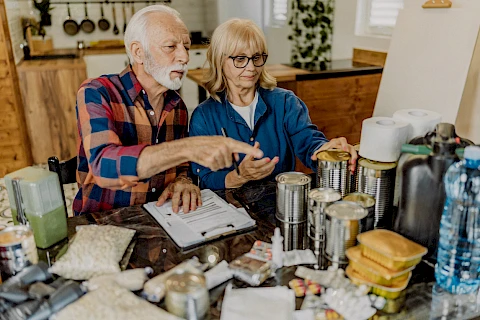
North Alabama is no stranger to serious summer weather. Thunderstorms, tornado watches, and occasional power outages are realities of living in Huntsville and the surrounding communities. Some outages can last longer than expected, making summer storm preparedness for seniors especially important.
Being prepared ahead of time makes all the difference. Trying to gather supplies and make important decisions during an active storm is much harder than doing it on a calm afternoon in June.
Building Your Emergency Supply Kit
A basic emergency kit should be assembled and stored somewhere accessible before you need it. The Federal Emergency Management Agency recommends keeping at least three days' worth of supplies on hand. A week's worth is an even better target, since power outages after major storms can sometimes last well beyond 72 hours.
What to include:
- Water: at least one gallon per person per day.
- Non-perishable food that doesn't require cooking.
- Flashlights and extra batteries or a hand-crank lantern.
- A battery-powered or hand-crank weather radio.
- A first-aid kit.
- Copies of important documents in a waterproof bag.
- Enough cash for several days, since ATMs and card readers go offline in outages.
- A charged backup battery for your phone.
If you rely on medical equipment that requires electricity, such as a home oxygen concentrator, CPAP machine, or electric nebulizer, summer storm preparedness for seniors should include a plan for potential power outages.
Contact your medical equipment provider now to ask about battery backup options or generator compatibility. Madison County Emergency Management also maintains resources for residents with medical needs who may need priority assistance during emergencies.
Medication and Food Safety During Outages
Medications that require refrigeration need a plan. Insulin, certain eye drops, and some liquid medications have specific temperature requirements. Talk with your pharmacist now about what to do if your refrigerator loses power.
Many medications remain safe at room temperature for a limited period of time. Knowing that timeframe in advance can help prevent unnecessary worry and reduce the risk of costly medication waste.
For food safety, the general rule is that a full refrigerator stays cold for about four hours without power and a full freezer for 24 to 48 hours. Keep an appliance thermometer in both, so you know when the temperature has risen to unsafe levels. Discard anything above 40 degrees Fahrenheit if you're unsure how long it's been there.
Communication and Evacuation Planning
Let at least two people know your plan: where you'll shelter in place and where you'll go if evacuation is necessary. Summer storm preparedness for seniors includes knowing your local evacuation routes and shelter options in advance.
Residents of Harvest, Hazel Green, and Meridianville may have different evacuation routes and shelter options than those closer to central Huntsville. Knowing your specific options ahead of time can make emergencies easier to manage.
If you don't drive, or if driving in severe weather isn't safe for you, identify who can come to your home or where you can stay in the area. Toney and New Market both have community connections that should be activated before an emergency, rather than during one.
Text messages often go through when phone calls are congested during emergencies. Letting family members know ahead of time that you'll text rather than call during a storm can prevent hours of unanswered worry.
Being Ready Before the Storms Roll Through
Preparedness is really just planning on a quiet day so that a stressful one is easier, especially when it comes to summer storm preparedness for seniors. Senior Helpers of Huntsville provides in-home care for older adults across Huntsville, Madison, Meridianville, Hazel Green, and Brownsboro.
Our caregivers can review your emergency plan, assist you in assembling a storm kit, and offer assistance during challenging weather conditions. Contact us to talk about keeping you safe and comfortable at home.