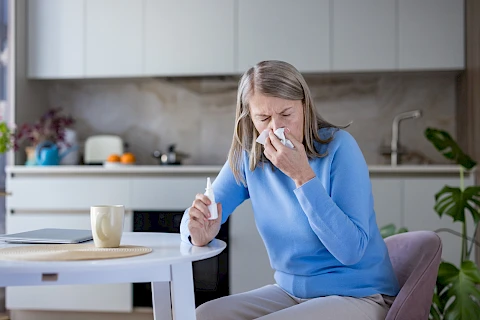
Spring in Huntsville arrives with blooming redbuds and warming afternoons. However, for many seniors and their caregivers, it also brings a spike in allergy symptoms that can feel surprisingly hard to manage. Older adults actually experience seasonal allergies somewhat differently than younger people. These differences are highly important when it comes to recognizing and addressing their symptoms.
For instance, you might notice the person you're caring for seems more fatigued, congested, or irritable once the pollen count climbs. If so, seasonal allergies may be playing a much larger role than you would expect.
How Allergies Can Look Different in Older Adults
Many people assume that allergies improve with age, and for some, they do. Many older adults actually develop entirely new sensitivities later in life. Others find that their long-standing allergies cause deep fatigue, rather than the classic sneezing that makes the cause obvious.
In seniors, symptoms like nasal congestion, postnasal drip, and itchy eyes do more than cause discomfort. They can actively mimic or worsen other serious conditions, including sinusitis, asthma, and major sleep disturbances.
The American College of Allergy, Asthma, and Immunology notes that older adults are often underdiagnosed for seasonal allergies. This typically happens because their symptoms are easily attributed to other medical causes. If your loved one seems consistently worse during pollen season, it is well worth bringing up. Make sure to mention these changes specifically at their next medical appointment.
Medication Considerations for Seniors
Most people instinctively reach for over-the-counter antihistamines to fight allergy symptoms. But if you are caring for an older adult, be careful. First-generation antihistamines containing diphenhydramine (like Benadryl) carry serious risks for older adults.
They can cause drowsiness, confusion, urinary retention, and falls. Second-generation antihistamines like cetirizine or loratadine are generally safer and less sedating for older adults. However, it is still highly recommended to confirm with a prescribing physician before adding any new medication to their routine.
Nasal corticosteroid sprays (like fluticasone) are often highly effective and considered quite safe for them, though they take a few days to reach full effect. If your loved one is managing allergy symptoms with oral medications alone and not seeing great results, it may be time to try something else. Asking their doctor about a targeted nasal spray is an excellent next step.
Seniors in Madison and Meridianville who take blood pressure medications need to be very careful with decongestants. These common allergy remedies actually can raise blood pressure to a significant degree. Your loved one’s doctor or pharmacist can advise you on which products are safe based on the full list of medications they take.
Environmental Controls That Actually Help
On high-pollen days in Huntsville and Harvest, keeping windows closed and running the air conditioning with a clean filter makes a meaningful difference in indoor air quality. These simple steps can help reduce the effects of seasonal allergies in seniors. Pollen counts tend to be highest in the morning; planning outdoor activities for late afternoon or after rain can reduce exposure.
Showering before bed to wash pollen from hair and skin prevents it from transferring to pillowcases and disrupting sleep. Changing clothes after time outdoors has a similar effect. For loved ones who spend time in Hazel Green or Brownsboro, where tree pollen can be heavy in spring, these simple habits add up.
Encourage your loved one to keep track of symptom days alongside the local pollen count, which is available through weather apps or the National Allergy Bureau. After a few weeks, patterns often emerge that guide better planning.
When to See a Doctor
Symptoms that don't respond to standard allergy management, or that include wheezing, chest tightness, or significant sleep disruption, warrant a medical evaluation. An allergist can perform testing and discuss options, including allergy immunotherapy, which may be appropriate for some older adults.
Breathing Easier This Season
Seasonal allergies in seniors don’t need to spoil comfort and everyday life. With the right care strategies and environmental adjustments, symptoms can be reduced, and daily routines can stay on track.
Senior Helpers of Huntsville works with families across Huntsville, Madison, Meridianville, Hazel Green, and Harvest to provide attentive in-home care year-round. Contact us to learn how we can support your loved one this spring.