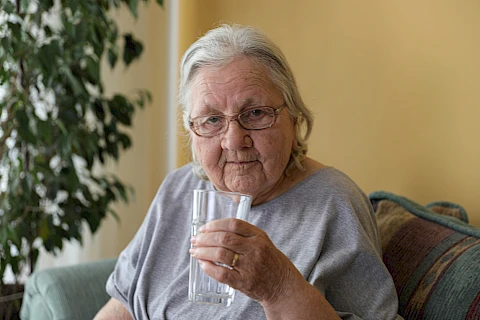
Dehydration in the elderly is a common yet often overlooked concern for seniors. As we age, our bodies undergo changes that increase the risk of water loss. Whether it's due to our cold winters or mild summers, fluid deficit can sneak up on older adults, affecting their health and well-being. That's why family members and caregivers need to be aware of the risks and take action to prevent a lack of fluids.
Why Older Adults Are More at Risk
There is a heightened risk of dehydration in the elderly due to a combination of age-related physiological changes, certain medical conditions, and medication use. Learning more about these factors is crucial for prevention.
- Diminished Thirst Sensation: As people age, their natural thirst response weakens, leading them to consume less water even when their bodies are fluid-deficient.
- Medical Conditions and Medications: Various wellness issues and commonly prescribed medications, such as diuretics, can increase fluid loss, exacerbating the risk of low fluids.
- Severe Consequences: Lack of fluids can lead to serious medical problems for older adults. This includes urinary tract infections, kidney stones, and even necessitates hospitalization.
Recognizing these vulnerabilities is the first step in safeguarding the fitness of older adults.
Identifying Indications of Dehydration in the Elderly
One of the first steps to preventing a loss of fluids in the elderly is recognizing its symptoms, which include dry mouth, fatigue, confusion, dizziness, and dark urine. It's important to note that older adults may experience symptoms differently from younger individuals. They may show signs of confusion or a sudden change in their ability to perform everyday tasks. Early detection is vital, as prompt action can prevent more severe medical challenges.
Effective Prevention Strategies
Ensuring seniors stay adequately hydrated involves several strategies. Here are a few you may want to try:
- Encourage regular fluid intake throughout the day.
- Set goals and use reminders to help them stay on track.
- Adjust fluid intake based on activity level and weather.
- Add flavor to water with lemon, lime, or mint.
Creative Ways to Increase Fluid Intake
Encouraging fluid intake, especially for older adults who dislike plain water, can be achieved through various creative methods. Here are a few ways to get them hydrated more regularly:
- Hydrating Foods and Flavored Water: Boost fluid intake by adding high water content fruits and vegetables like watermelon and cucumber to meals or by flavoring plain water with lemon, lime, or mint.
- Technological Aids: Utilize apps or "smart" water bottles that provide reminders and track daily fluid intake, making hydration more engaging and consistent.
Stay Hydrated With Senior Helpers
Preventing dehydration in the elderly is essential to maintaining their fitness and quality of life by understanding the risks and implementing strategies to prevent it. Encourage the older adults in your life to try some of the discussed methods to stay hydrated.
For personalized care solutions tailored to the needs of those in their golden years, contact us at Senior Helpers of the Kenai Peninsula. Located near Soldotna, Anchor Point, Anchorage, Homer, and Kasilof areas, we provide support and care to help older adults lead healthy, happy lives.